

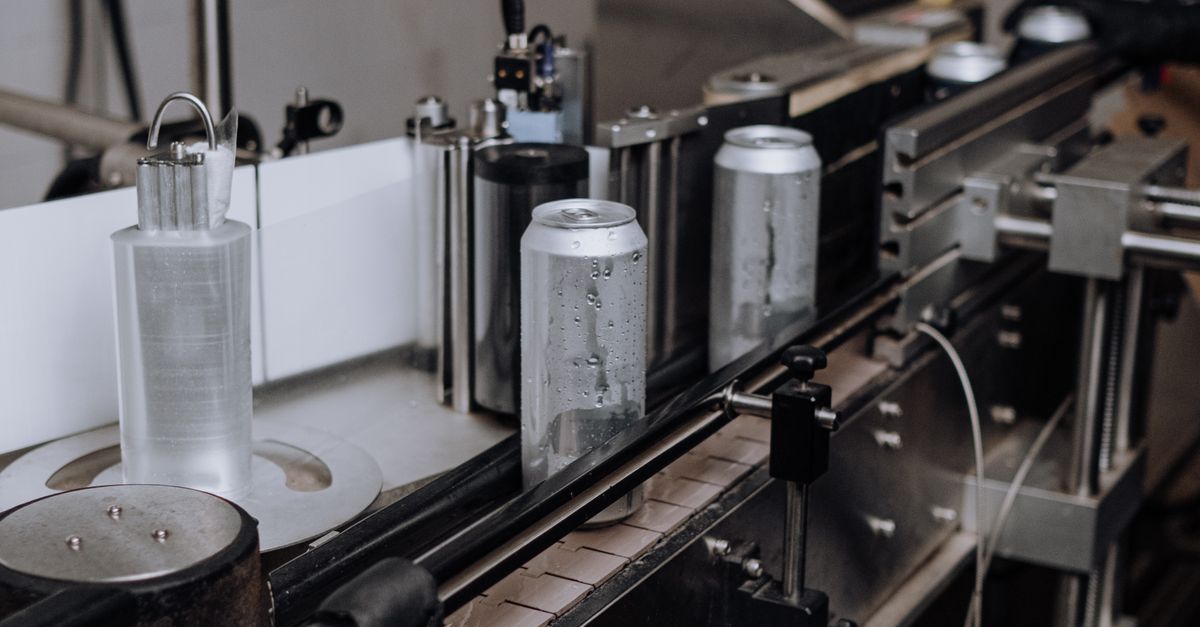
AI-driven automation is accelerating a fundamental transformation in packaging workflows for manufacturers. At Dumont Printing, we see firsthand how AI is not only modernizing the way products are packaged and delivered, but also democratizing access to sophisticated, highly responsive strategies for businesses of all sizes—from hospitals and casinos to startups and local restaurants. This blog explores the most impactful ways artificial intelligence is reshaping packaging, combining professional insight with actionable steps manufacturers can use today.
The Rise of Intelligent Automation in Packaging
Historically, packaging relied on predefined, rigid processes. Manual touchpoints, static machinery, and guesswork led to longer lead times, inconsistent quality, and higher costs. Today, AI-powered automation is giving the industry a new toolkit. It brings real-time decision making, data-driven optimization, and adaptive systems that evolve with your market needs.
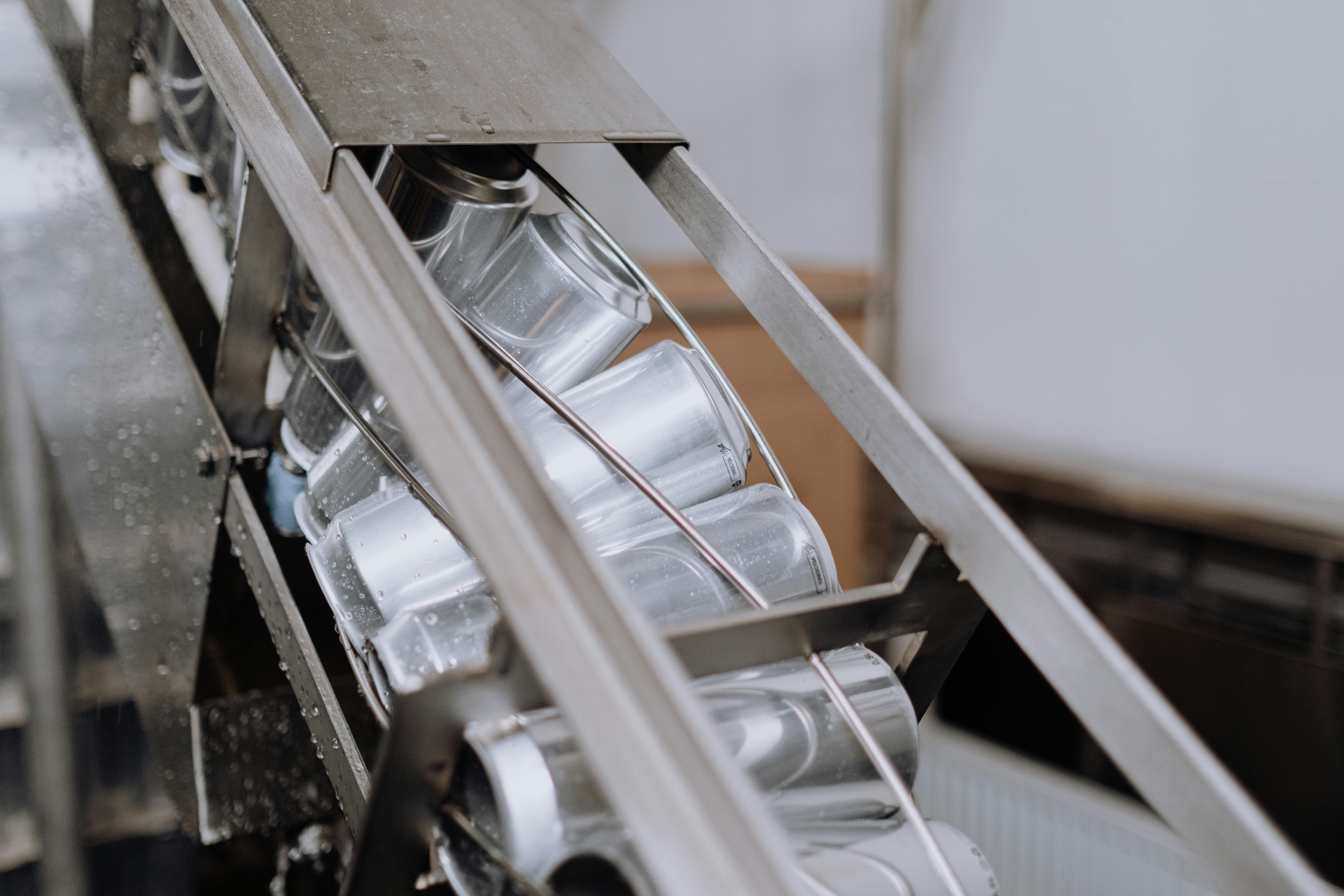
AI Impact Across the Packaging Workflow
- Design & Prototyping: Automated design tools use consumer data to create packaging that stands out, iterating much faster than manual teams can.
- Material Selection & Sustainability: AI helps select optimal materials, balancing cost, strength, and eco-friendliness, reducing both waste and environmental footprint.
- Production Automation: Robotics leverage AI to streamline everything from cutting and folding to assembling and labeling, reducing downtime and scaling easily with demand.
- Quality Control: Vision systems powered by AI catch defects invisible to the human eye, ensuring only top-quality products reach shelves.
- Fulfillment & Shipping: AI forecasting aligns inventory, mailing, and delivery to actual need, saving time and reducing surplus packaging.
How AI-Driven Automation Delivers Value
Let’s take a closer look at each stage of the workflow, highlighting both the operational impact and tangible business outcomes we’ve experienced with our clients.
1. Accelerating Design & Reducing Time to Market
It used to take weeks to test packaging designs and gather feedback. Now, with AI-enabled design platforms, prototypes can be generated in minutes, rapidly evaluated, and updated using real market data. This means that feedback from your customers guides packaging improvements, not just designer intuition.
- Quickly prototype and iterate multiple packaging ideas.
- Use data from past orders and buying trends to inform AI-generated designs that actually resonate.
- Bring products to market faster and with greater impact.
This is especially valuable for organizations that run seasonal promotions or depend on rapid product launches. If you want a deeper dive into related innovations, see our post on the rise of on-demand printing and automated packaging turnaround times.
2. Smarter Material Choices and a Commitment to Sustainability
With rising pressure to reduce environmental impact and costs, AI-driven tools analyze everything from the logistics chain to product returns to suggest the best combination of recyclable, durable, and lightweight materials.
- AI systems can recommend sustainable packaging options adapted to shipping routes, product fragility, and customer preferences.
- Predictive models slash waste by recommending precise packaging dimensions and materials, reducing the environmental impact per order.
Smart material selection is not just a trend; it’s a bottom-line issue and a reputational advantage. Read more on how eco-friendly printing and packaging can help brands stand out in our article on embracing sustainable printing for a better brand reputation.
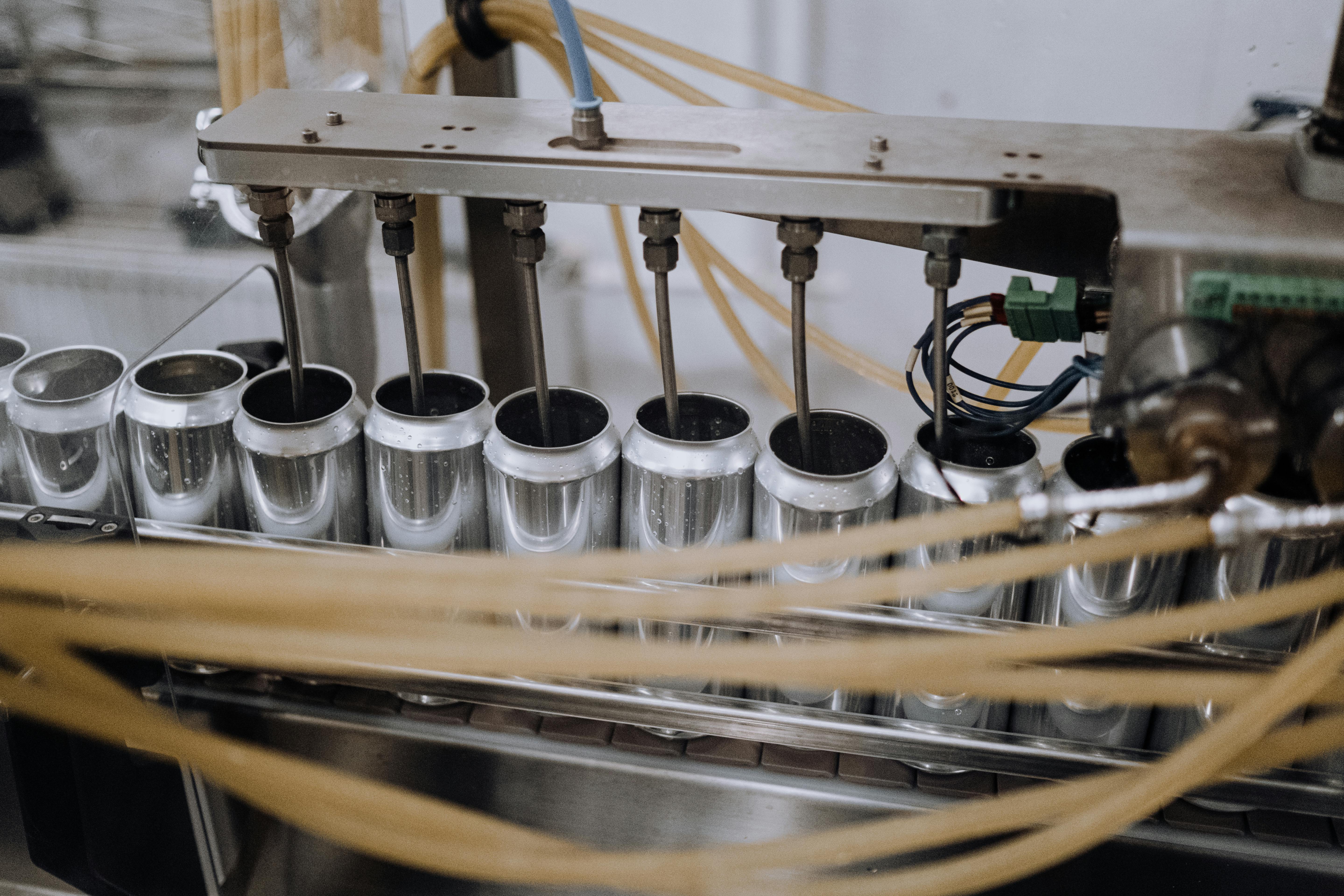
3. Robotic Production and Real-Time Workflow Management
AI-connected robotics bring unmatched speed and flexibility to the plant floor. They can handle multiple packaging formats, adjust to design changes instantly, and even communicate with other machines for seamless assembly line coordination.
- Automated machines use AI vision systems to adjust in real time, reducing bottlenecks and minimizing downtime.
- Workflows monitored by AI quickly spot and correct issues before they cascade into problems, keeping production resilient even as order volumes fluctuate.
This transition isn’t just about faster output. It builds in adaptability, so your facility can shift priorities and respond to urgent requests without expensive system overhauls.
4. AI for Defect Detection and Superior Quality Control
Quality assurance no longer relies on random checks. Intelligent vision systems scan and analyze every item for inconsistencies or flaws. Packages are labeled, verified, and sorted with impressive precision.
- AI detects micro-level flaws that would otherwise result in rejected shipments or product loss.
- Variable data printing enables one-to-one label customization without slowing down production, supporting everything from compliance needs to personalized marketing.
5. Fulfillment, Inventory, and Mailing—All Optimized by Data
Order fulfillment, shipping, and mailing are areas where AI’s predictive power truly shines. By integrating order history, real-time inventory, and logistics data, fulfillment can be dynamically adapted to changing demand.
- Automated inventory tracking minimizes out-of-stock issues and prevents overstocking.
- AI routing ensures packages are shipped quickly and cost-effectively, optimizing for speed and sustainability.
- Data-driven mailing workflows boost the effectiveness of direct mail campaigns, tying print production, variable data, and delivery into a single, streamlined process.
This streamlined approach to fulfillment is especially important for clients managing bulk mail, kitting, or complex product launches. If you want to explore how automated workflows are supporting fulfillment across industries, check out our analysis of automated print workflows for multi-location retailers.
Industry Trends and What’s Next
Automation and AI are set to deepen their influence over the next few years. We’re seeing the rise of physical AI—robots that respond almost as flexibly as humans, alongside smarter algorithms for detecting fraud or predicting complex supply chain events. The road ahead points toward nearly zero-waste operations, hyper-personalization in packaging, and even smarter ways to unite print and digital for an integrated customer experience.
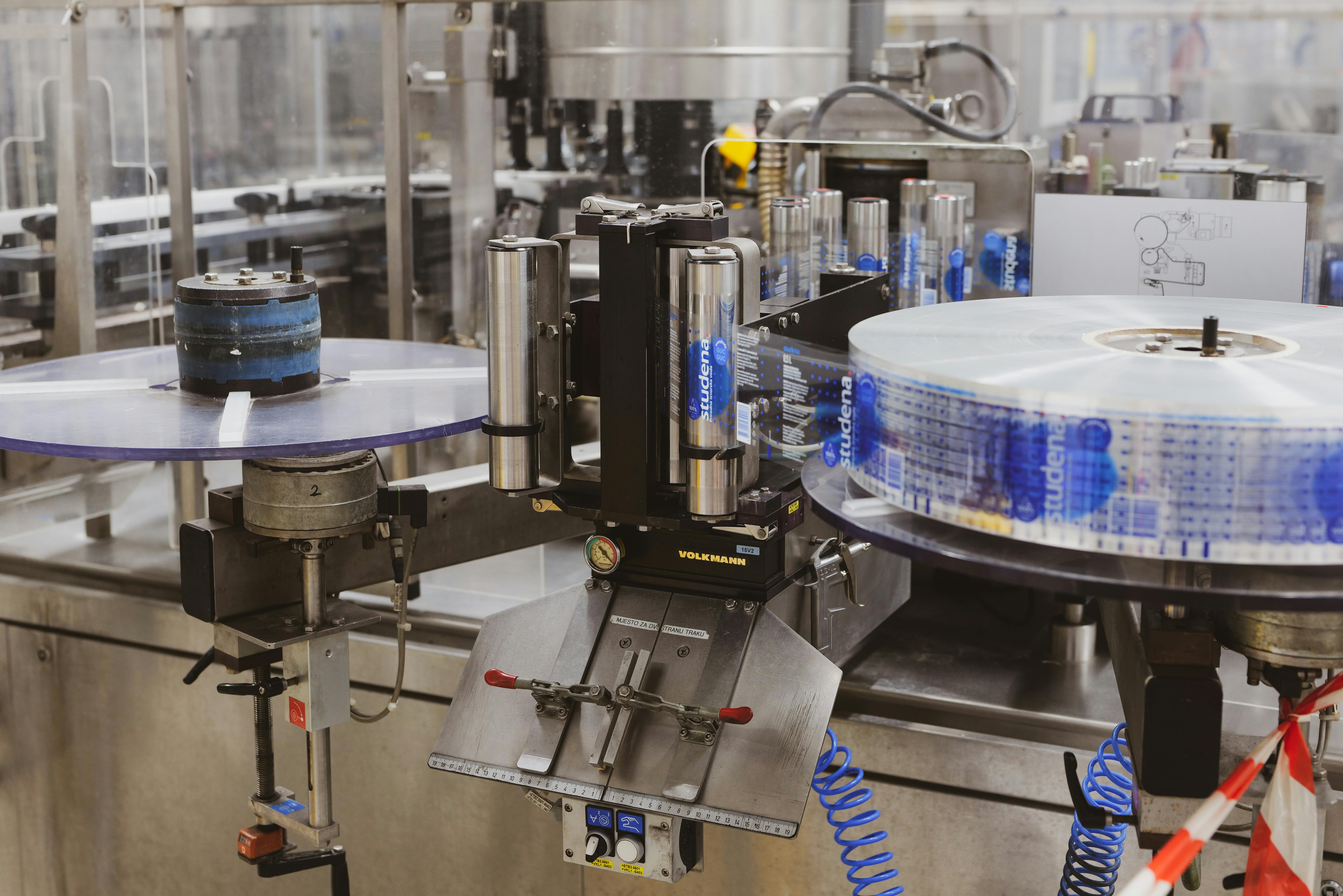
How to Get Started with AI Automation in Packaging
- Audit your current packaging workflows: Identify where manual steps slow things down.
- Pilot AI-enabled tools: Begin with design automation or automated quality control—these are low-risk and high-reward starting points.
- Integrate your data: The more connected your ERP, order, and inventory systems are, the more value you’ll get from AI-driven automation.
- Train your team: Change works best when everyone—from operators to designers to marketing—is comfortable with the transition.
- Partner for success: Connect with knowledgeable print and packaging partners who can guide your adoption and share best practices across industries.
Final Thoughts
The future of manufacturing lies where intelligent automation and creative packaging design meet, driving efficiency, sustainability, and memorable customer experiences. At Dumont Printing, we are passionate about helping brands navigate this dynamic landscape and unlock the full value of their print and packaging investments. Our clients regularly ask us how they can leverage the latest tools to remain competitive, lower costs, and delight customers—AI-driven automation is the answer. If you’re interested in more insights, visit us at dumontprinting.com or follow us for ongoing industry updates, trend analysis, and professional guidance.