

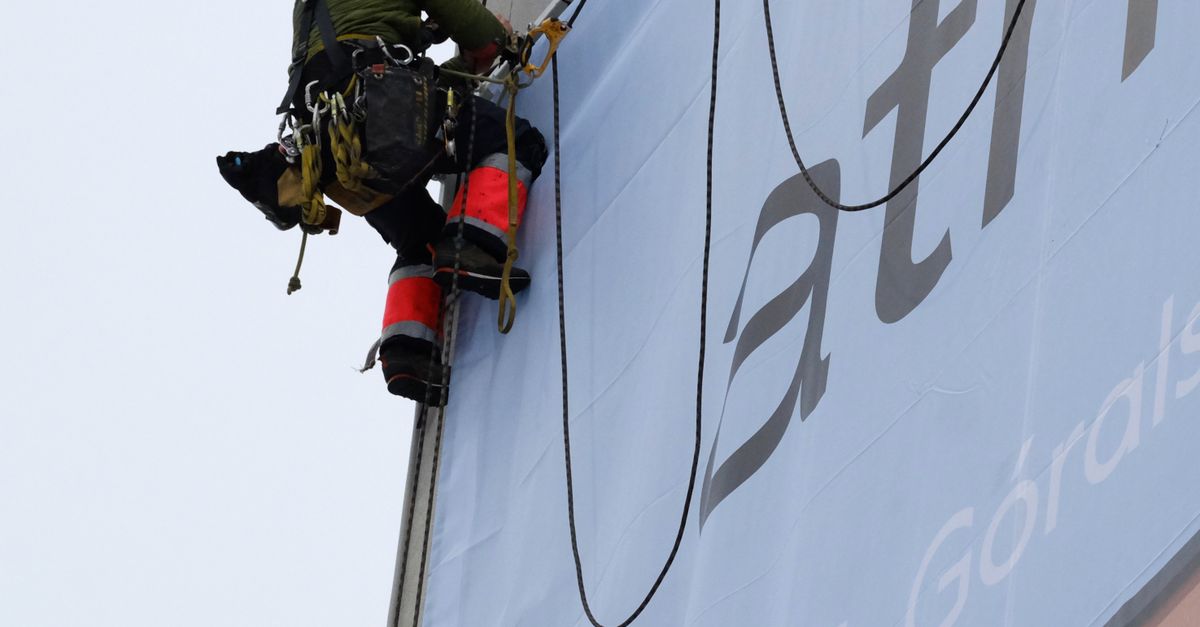
Choosing the right wide and grand format materials for branding is a strategic decision that directly impacts both the visibility and longevity of your graphics, signs, and displays. When it comes to distinguishing between outdoor and indoor applications, the material choice hinges on several critical factors: environmental durability, visual performance, installation needs, and safety standards. At Dumont Printing, our expertise lies in guiding organizations—ranging from casinos and hospitals to restaurants, retailers, and event planners—through this complex selection process to ensure maximum impact, cost-effectiveness, and compliance.
Below, we provide an expert, in-depth, and actionable overview of what drives material selection for wide and grand format projects in both outdoor and indoor settings—including definitions, practical frameworks, and a real-world case study from our own portfolio.
Defining Wide & Grand Format Printing: What It Means for Branding
Wide format printing generally refers to digital or offset printing on substrates up to 60 inches wide, suitable for banners, signs, window graphics, and wall murals. Grand format printing goes beyond these parameters, accommodating prints that span entire building facades, billboards, stadium wraps, or event backdrops. The technology can render high-resolution, full-color graphics on a vast array of materials—from flexible vinyl and fabric to rigid panels.
For brand managers, marketers, and designers, leveraging wide and grand format output is pivotal for achieving standout, scalable visibility. The material selection should always align with the strategic intent—durability for long-term outdoor promotion, or vibrancy and tactile appeal for indoor experiences.
Key Considerations: Outdoor vs. Indoor Material Selection
What Makes Outdoor Branding Unique?
Outdoor branding is exposed to unpredictable elements: rain, wind, UV rays, pollution, drastic temperature changes, and, in some environments, vandalism. The need for resilience under these conditions elevates durability and weather resistance as the primary material criteria.
- Longevity: Materials must remain intact and visually clear, sometimes for years, despite daily weather cycles.
- Print permanence: Inks and finishes should be UV-protected and moisture-sealed to prevent fading, cracking, or peeling.
- Structural integrity: Hardware, reinforcements, and installation methods must accommodate wind loads and mount securely.
Indoor Branding: Prioritizing Aesthetics and Adaptability
Indoor materials do not face direct elemental exposure. Instead, they must deliver optimal color accuracy, clean finishes, and safety for viewing at close range. They should also be easy to install, update, or remove for temporary campaigns or changing displays.
- Visual clarity: High-resolution, vibrant colors for close viewing (5–10 feet).
- Versatility: Compatibility with mounting systems, removable adhesives, or custom contours.
- Sustainability: Many businesses seek eco-friendly inks (low-VOC), reusable fabrics, and recyclable substrates.
A Step-by-Step Framework for Material Selection
- Define the application and environment:
- Is it a permanent outdoor sign, a temporary event backdrop, a trade show display, or storefront branding?
- Environmental stresses (sun exposure, humidity, wind) drive the core requirements.
- Estimate required lifespan:
- Temporary (less than 6 months), mid-term (1–3 years), or long-term (5+ years)?
- Material costs and installation methods differ significantly by lifespan.
- Assess visual demands:
- Does it require photorealistic quality for up-close viewing, or high-impact color for distant readability?
- Calculate scale and installation logistics:
- Large banners or wraps often require specialized materials (like seamless prints or sewn joins) and heavy-duty fixtures.
- Prioritize safety and compliance:
- Ensure fire ratings (especially indoors), anti-slip for floor graphics, and environmentally responsible inks.
- Consult with printing experts:
- Request material samples, proofs, and mock-ups—something Dumont Printing offers to help clients validate choices in real-world conditions.
Best Materials for Outdoor Branding Projects
For sustained outdoor exposure, materials must withstand the toughest conditions. Commonly used substrates and their strengths include:
- Vinyl (PVC): Flexible, waterproof, and UV-resistant. Suitable for banners, billboards, and construction signage. UV lamination further prolongs color and face durability. Can last up to 3 years or more, especially when protected by lamination.
- Mesh banners: Perforated vinyl that allows airflow, reducing wind load and risk of tearing. Ideal for fence wraps or building skirting, especially in windy areas.
- Rigid panels (Alumacorr, PolyMetal): Lightweight, rust-proof alternatives to traditional metals for permanent or long-term signage. Handle moisture and direct sun well.
- Coroplast (corrugated plastic): Economical, lightweight, and best for temporary outdoor signs or directional graphics. Typically lasts 6–12 months outdoors.
- Vehicle wraps: Specialized adhesive vinyls, such as 3M or Ultraflex, for durable, vivid mobile advertising that endures the rigors of the road.
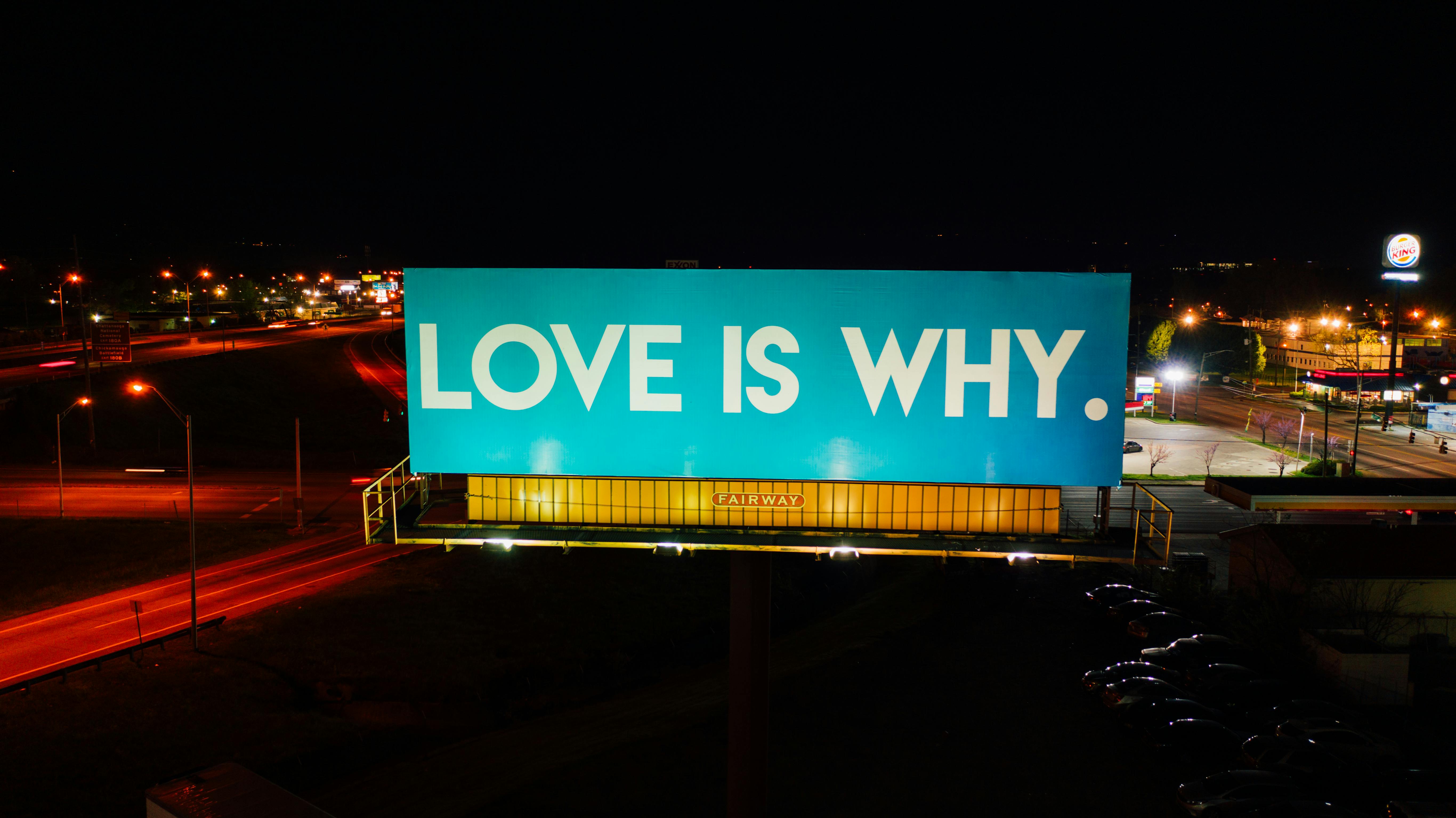
- Backlit displays: Water-resistant textiles or vinyls for outdoor lightboxes, maximizing nighttime visibility.
Enhancements like anti-graffiti coatings are recommended for high-traffic urban environments, and testing samples under real conditions is a proven strategy employed by Dumont Printing before executing large-scale installations.
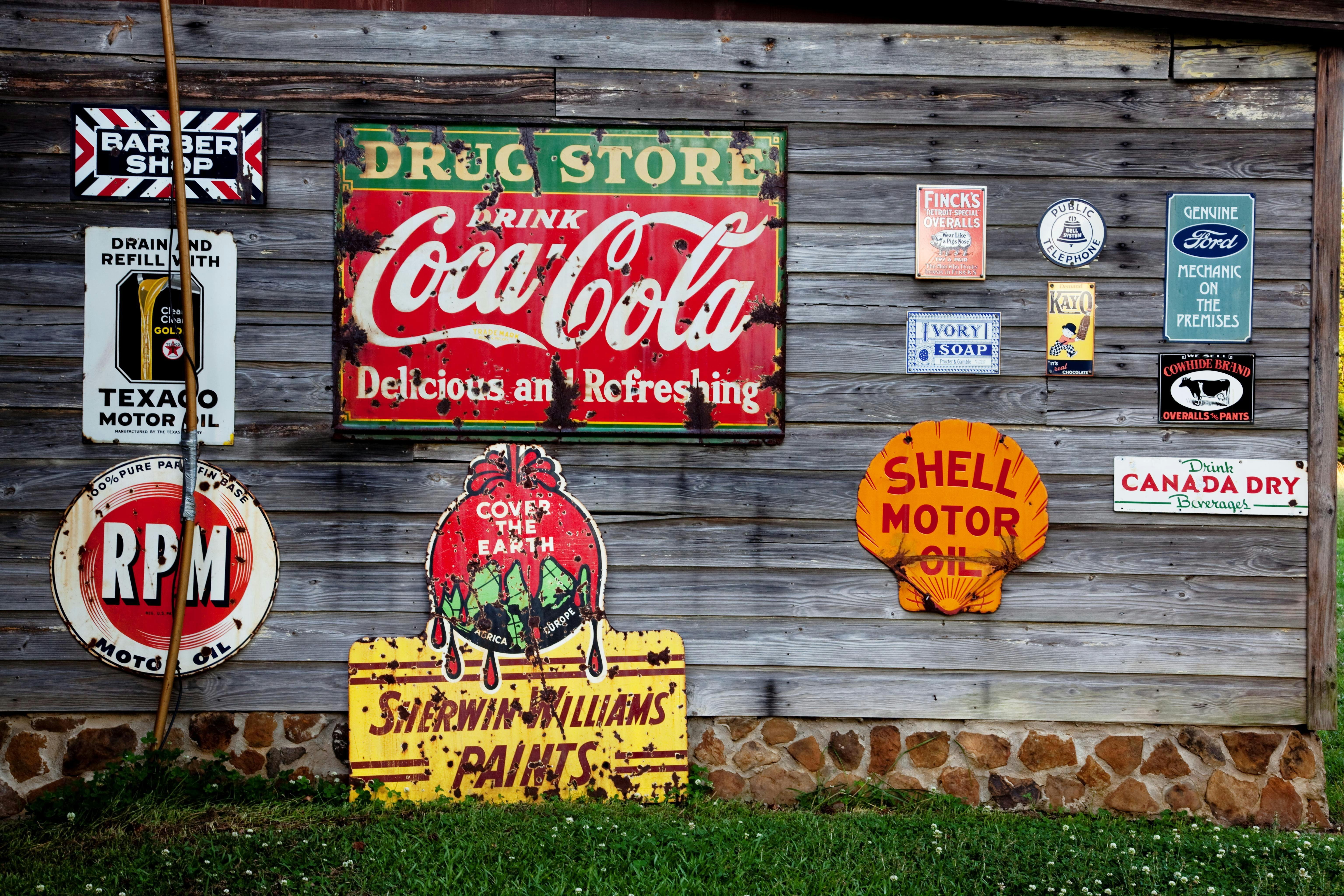
Best Materials for Indoor Branding Solutions
Indoor graphics require different priorities, and material choices often reflect the need for superb image fidelity, easy updates, and safety:
- Self-adhesive vinyl (SAV): Perfect for wall and floor graphics. Removable or repositionable adhesives minimize installation residue and wall damage.
- Adhesive-backed polyester/fabric: Lightweight, great for retractable or pop-up banners. Matte finishes are preferred to reduce glare in lobbies and trade show settings.
- Window clings/perforated vinyl: Enables one-way visibility while branding retail, healthcare, or bank environments.
- Backlit film: For indoor lightboxes and displays. Helps accentuate high-contrast visuals in retail or gallery spaces.
- Foamcore/gatorboard: Rigid, lightweight foam sheets for temporary exhibitions, presentations, or educational displays.
- Sustainable options: Low-VOC inks and green-certified materials align with eco-conscious branding and indoor air quality regulations.
Side-by-Side Comparison: Outdoor vs. Indoor Materials
| Factor | Outdoor Materials | Indoor Materials |
|---|---|---|
| Durability | 2–5 years, UV/water/wind resistant | 1–3 years, fade-resistant, not weatherproof |
| Cost per sq ft | $3–8 (with lamination) | $2–5 |
| Ideal Applications | Billboards, vehicle wraps, banners | Wall murals, floor graphics, trade show exhibits |
| Installation | Heavy-duty hardware, grommets, rope | Adhesive, frames, quick-mount systems |
| Eco-Friendliness | Options for recyclable vinyls | Low-VOC inks, reusable or recyclable boards |
Noteworthy Pitfalls When Mixing Materials
It’s essential not to cut corners by using materials designed for one environment in another. For instance, outdoor vinyl often wrinkles or deforms indoors due to humidity, while interior-grade fabrics tend to break down or discolor rapidly outdoors. At Dumont Printing, we always assess both the location and expected usage period before finalizing recommendations, ensuring your brand is represented at its best—no matter the setting.
Real-World Success Story: Casino Branding Campaign
One of our most impactful projects involved partnering with a Midwest casino seeking to overhaul its image both outside and inside its expansive property. Outdoors, we engineered 50×15 ft mesh banners to withstand extreme wind loads and sun exposure, maintaining color depth while minimizing structural strain for over a year. Indoors, high-resolution wall decals created an inviting atmosphere, covering more than 2,000 square feet of guest-facing space. This dual-environment strategy not only increased foot traffic based on survey feedback but also powered a 25% uplift in post-event leads via targeted follow-up campaigns. Strategic nationwide kitting made the rollout seamless—demonstrating the value of expert material guidance at every step.
Trend Forecasts: What’s Next for Wide & Grand Format Branding?
The landscape continues to evolve as sustainability, health, and technology trends reshape material innovation:
- Eco-conscious solutions: Increased demand for recyclable, PVC-free substrates and inks derived from renewable resources, such as recycled ocean plastics.
- Antimicrobial coatings: Especially for healthcare, retail, and hospitality, expect these features to gain traction.
- Digital integration: Emerging materials now support embedded LEDs and dynamic lightboxes for even richer engagement indoors.
- More efficient, less wasteful printing: UV-direct printing and print-on-demand workflows are helping major brands reduce offcuts and speed up campaigns.
We actively adapt to these shifts at Dumont Printing, offering clients early insight and access to the new generation of branding solutions.
Best Practices for Maximizing Branding Impact
- Always request material samples and, where possible, test them in real site conditions before placing a large order.
- Plan for professional installation, especially with large outdoor banners or rigid panels.
- Review all artwork at actual size to avoid pixelation or design element scaling errors.
- Align indoor branding with eco-safety best practices (such as low-VOC inks), especially in sensitive environments like healthcare or childcare.
- Incorporate specialist finishes (matte, gloss, or textured) based on lighting and tactile interaction in the space.
- Consult regularly with industry experts—leveraging leaders like Dumont Printing can help anticipate issues before they arise.
Comprehensive FAQ: Choosing Wide & Grand Format Materials
What is the most durable material for outdoor signs?
Vinyl (PVC) and mesh banners, alongside rigid panels like Alumacorr or PolyMetal, are amongst the most durable outdoor options. Lamination and UV-resistant inks significantly extend their lifespan.
Which materials provide the best color and sharpness for indoor branding?
Self-adhesive vinyls, adhesive-backed polyester, and high-quality backlit films yield photorealistic color and precise imaging ideal for close-range viewing indoors.
Can I use the same material for both indoor and outdoor branding?
This is not recommended. Materials designed for outdoor use may warp or off-gas in indoor environments, while indoor-only substrates frequently fail under weather, UV, and wind exposure outdoors.
How do I avoid costly reprints and installation issues?
Work with proven industry partners, request project samples, and ensure all artwork is thoroughly reviewed at scale. Dumont Printing provides pre-production mock-ups and on-site consultation to minimize costly surprises.
What trends should I be aware of for future branding projects?
Eco-friendly materials, antimicrobial coatings, digital print integration (like embedded LEDs), and more sustainable print workflows continue to rise in prominence across industries.
Further Reading and Internal Resources
- Explore innovative applications of wide & grand format printing for community events
- How wide & grand format printing is revolutionizing hospital and casino branding
- Advances in print automation for events and tradeshows
Conclusion
Material choice is pivotal in achieving branding that endures, inspires, and connects—whether you’re branding a city block, a corporate lobby, or a retail window. The guidance and support from a full-service commercial print partner like Dumont Printing ensures every detail, from material selection to nationwide fulfillment, is handled with precision and expertise. For strategic advice, custom samples, and a complete project consultation, reach out to our team today and transform your next branding vision into reality.