


As organizations grapple with increasing order complexity, higher customer expectations, and the ongoing pressure to reduce operational costs, smart automation has emerged as a game-changer for fulfillment in custom packaging projects. By streamlining packaging, labeling, and delivery processes, automation is redefining how companies achieve speed, consistency, and scalability—without the pitfalls of inefficient manual labor or excess inventory.
At Dumont Printing, we see firsthand how advanced automation addresses the unique challenges of custom packaging. Whether you’re a small business looking to scale up or a nationwide retailer managing countless SKUs, leveraging smart automated solutions can help minimize waste, control costs, and deliver a consistent brand experience.
What Is Smart Automation in Custom Packaging Fulfillment?
Smart automation in the context of custom packaging fulfillment refers to the integration of intelligent machines, robotics, and AI-powered software into packaging and shipping workflows. The goal is to reduce manual touchpoints, improve packaging precision, and enable real-time adjustments based on shifting order requirements. Unlike traditional static workflows, smart automation dynamically adapts to order profiles, SKU changes, and delivery schedules.
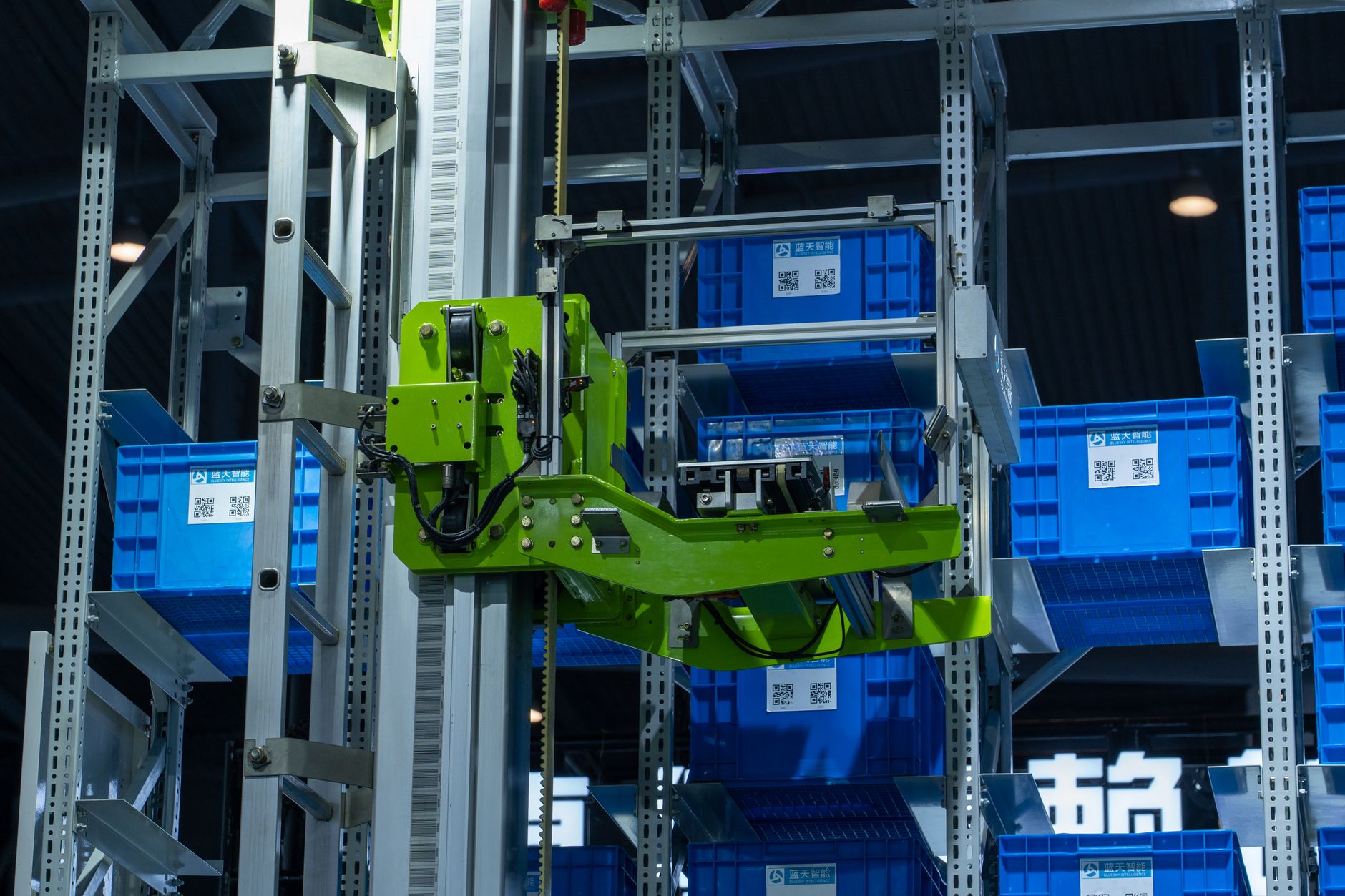
The Evolution: From Manual Processes to Smart Automation
Historically, fulfillment operations—especially for custom packaging projects—involved large teams, standardized box inventories, and time-consuming labeling. The variability of custom orders often forced organizations like restaurants, hospitals, and event planners to rely on guesswork and buffer stocks, resulting in excess costs and occasional errors. As a leader in the print and packaging fulfillment sector, Dumont Printing has embraced automated systems to help clients move beyond these pain points.
Limitations of Manual Fulfillment
- High labor dependency and related costs, especially during peak seasons.
- Frequent use of oversized boxes, driving up material and shipping expenses due to carrier dimensional weight pricing.
- More room for human error, resulting in inconsistent packaging quality and potential order inaccuracies.
- Inventory management challenges with static box SKUs and void fill materials.
- Unsustainable material waste, undermining environmental and corporate responsibility goals.
The Advantages of Smart Automation
- On-demand right-sizing of packaging, which drastically reduces unnecessary waste and shipping costs.
- Automated measuring, constructing, and sealing for faster, more precise fulfillment cycles.
- Robot-assisted pick-and-pack operations, increasing throughput and accuracy even at high order volumes.
- Integrated labeling and automated quality checks for compliance and brand consistency.
- Real-time trackability through direct integration with ERP and warehouse management systems.
Key Steps in a Smart Automated Fulfillment Workflow
- Intelligent order data collection and analysis: Each order is digitally assessed to determine optimal packaging requirements.
- On-demand box creation: Automation systems cut and assemble custom-sized packaging in real time, matching each unique order.
- Robotic pick-and-pack integration: Products are placed into right-sized packages with precision and consistency.
- Automated labeling and quality control: Systems print and apply labels while inspecting each package for accuracy using vision technologies.
- ERP and WMS integration: Real-time sync between automation platforms and enterprise software for seamless oversight and tracking.

Measurable Benefits for Diverse Sectors
Through our work with nonprofits, banks, hospitals, growing brands, and event managers, Dumont Printing has seen automation deliver quantifiable improvements:
- Increased productivity: Automated solutions enable fulfillment centers to process more orders without the need for additional seasonal labor.
- Material savings: Right-sized packaging leads to less void fill and cardboard waste, cutting both supply costs and environmental footprint.
- Fewer shipping surcharges: Compact tailored boxes help organizations avoid expensive dimensional weight penalties when shipping through major carriers.
- Improved accuracy: Automated vision and pick systems verify every order, reducing costly reshipments caused by human error.
- Scalability: Automation systems can scale up or down in real time, making it easier to handle seasonal spikes or unique one-off projects for tradeshows or marketing campaigns.
Best Practices for Integrating Smart Automation
- Start with analysis: Evaluate your current workflows, SKU variety, and order mix to identify automation pain points and ROI opportunities.
- Customize system design: Work with automation experts to tailor solutions—there is no one-size-fits-all approach when it comes to custom packaging.
- Emphasize training: Prepare your workforce for changes by providing hands-on technical education and upskilling for new maintenance or oversight responsibilities.
- Pilot and phase deployment: Consider rolling out automation in controlled stages to minimize disruption and allow for rapid iteration.
- Integrate software stacks: Seamless connectivity between WMS, ERP, and automation equipment is key for full real-time visibility.
- Design for sustainability: Prioritize automation solutions that directly contribute to waste reduction and resource efficiency, supporting your broader environmental goals.
Real-World Applications for Dumont Printing Clients
Our own experience highlights the versatility of smart automation. For example, restaurant chains benefit from the ability to receive smaller, branded kits on-demand, reducing inventory and operational complexity at the store level. Nonprofits and foundations with privacy requirements trust automated labeling and tracking for campaign collateral and compliance-driven mailings. Hospitals and clinics appreciate precise, tamper-evident packaging and real-time chain-of-custody. With nationwide coverage, we help organizations of all sizes find solutions that scale with their needs.

Tackling Implementation Challenges
Transitioning to an automated fulfillment model does bring its own hurdles. Leaders in packaging and print, including Dumont Printing, often recommend a systematic approach:
- Conducting a full audit of existing packaging flows and SKU profiles
- Collaborating with automation partners to design and test solutions
- Gradual rollout to support staff adjustment and operational learning
- Investing in user training to ensure teams are comfortable troubleshooting and optimizing new equipment
Ongoing monitoring, refinement, and a willingness to iterate help resolve roadblocks and secure long-term process improvements.
Looking Ahead: Trends in Smart Automation for Custom Packaging
- Data-driven decision-making will continue to power next-gen fulfillment as organizations seek to unlock new efficiencies from the data they already generate.
- AI-powered demand forecasting promises improvements in dynamic packaging load balancing, reducing the risk of both under- and over-packaging.
- Greater integration of sustainable practices will create competitive advantages for businesses meeting both economic and environmental expectations at scale. (To learn more about advances in green practices, see our blog on green technologies in print and packaging.)
Frequently Asked Questions
What types of packaging projects benefit most from smart automation?
Smart automation is ideal for operations with high SKU variability, fluctuating order volumes, and complex fulfillment demands. It’s especially useful for organizations managing kits, promotional campaigns, product launches, or compliance-driven shipments.
How difficult is it to transition from manual to automated packaging?
The transition can be managed smoothly with proper upfront analysis and expert guidance. Many businesses find that a phased approach with hands-on staff training helps speed adoption and mitigate downtime.
Can automation support sustainability goals?
Absolutely. By reducing material waste, optimizing box sizes, and lowering individual package footprints, automated fulfillment directly supports sustainability and cost-saving initiatives. For deeper insights, refer to our post on automation and eco-friendly packaging practices.
Is automation only for large companies?
No. Scalable modular systems make automation accessible for small and growing organizations, not just enterprise operations. Companies like Dumont Printing work with clients of all sizes to design right-fit solutions based on need and budget.
How does Dumont Printing ensure quality in automated fulfillment?
Through integrated quality checks, automated labeling, and robust tracking, we maintain consistently high standards for every project. Our teams remain closely involved, ensuring automation delivers accuracy without sacrificing flexibility.
Conclusion
As the fulfillment landscape for custom packaging grows more complex, smart automation provides the balance of flexibility, efficiency, and quality modern organizations require. At Dumont Printing, we believe automation is not about replacing human expertise—it is about empowering staff with powerful tools and workflows so every order, no matter the challenge, is packed with precision and delivered on time.
If your business is considering smarter fulfillment, or you want guidance on integrating automation with sustainable practices, visit us at Dumont Printing to connect with our expert team and discover what’s possible for your next project.