


The rapid integration of automation into custom packaging is fundamentally changing how brands bring products to market. Companies today face mounting pressure to deliver unique, high-quality packaging on shorter timelines and with greater efficiency than ever before. As consumer expectations for speed, customization, and sustainability continue to rise, businesses are turning to automation not only to streamline their workflows but also to elevate the impact and consistency of their brand presence.
At Dumont Printing, we’ve worked with organizations across industries to successfully leverage packaging automation for operational gains and brand advantage. Through thoughtful application of digital and automated technologies, businesses can achieve faster turnarounds, reduced operational costs, scalable customization, and enhanced product quality—all essential for thriving in modern markets.
Defining Packaging Automation
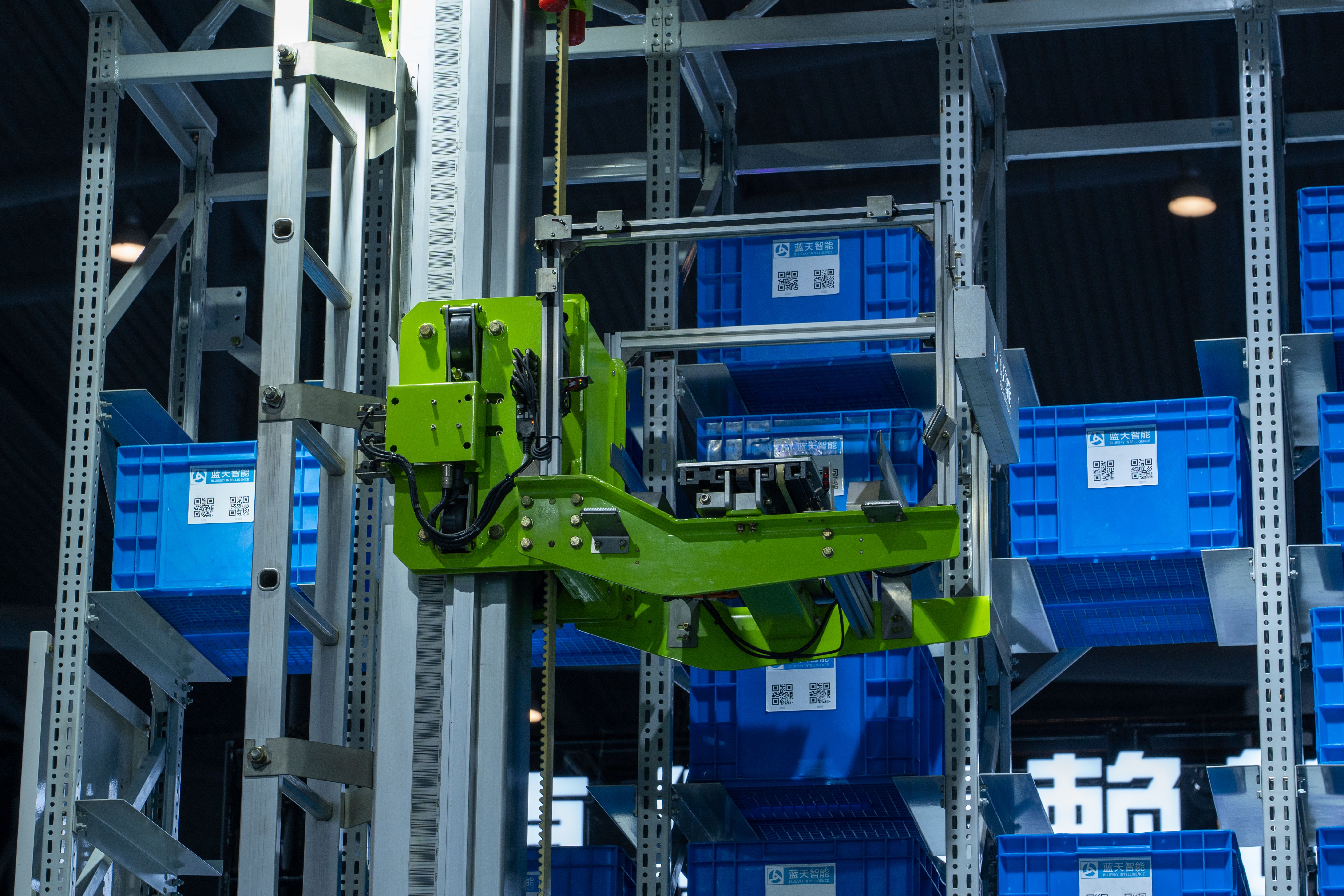
Packaging automation refers to the implementation of technologies and software that handle tasks traditionally performed by manual labor in the packaging process. This encompasses a range of systems including robotic pick-and-pack machinery, automated labeling and sealing units, vision-based quality control, and integrated workflow software that coordinates inventory, production, and order fulfillment. When combined with digitalization, automation creates a connected, intelligent packaging environment.
How Automation Streamlines Custom Packaging Workflow
Automation intersects the custom packaging workflow in several impactful ways:
- Speeding up production: Machines operate at a constant, predictable pace, minimizing downtime and enabling higher job throughput.
- Reducing human error: Automated systems ensure repeated accuracy in size, placement, and seal integrity.
- Enabling flexible customization: Digital automation allows for rapid job changeovers, short runs, and personalized design variations without significant delay.
- Enhancing tracking and reporting: Connected systems give stakeholders real-time visibility and traceability through every stage of the packaging process.
Benefits of Automation for Brands
1. Accelerated Turnaround and Capacity
Automated production lines run continuously, leading to faster fulfillment of custom orders and greater capacity for managing high volumes, even during peak seasons. Turnaround times are significantly reduced, allowing brands to respond quickly to market trends and consumer demands.
2. Consistent, High-Quality Branding
Consistency is critical in packaging. Automation maintains precise, repeatable standards for finishing, printing, and assembly, reducing variability and ensuring every piece reflects your brand as intended. Vision systems and automated quality controls catch issues instantly, minimizing costly recalls or rework.
3. Operational Cost Savings
Efficiencies achieved through automation often result in lower labor costs, reduced material waste through carton optimization, and lower error rates. Many businesses experience improved margins as a direct result of these operational upgrades.
4. Enhanced Sustainability Initiatives
Automated cartonization and right-sizing reduce excess material usage and waste. Coupled with exact dosing and precise application, these systems support a more sustainable packaging approach—a major decision factor for today’s conscious consumers.
5. Superior Agility for Product Customization
Digital-enabled automation empowers brands to handle a greater diversity of packaging formats, seasonal promotions, limited editions, and targeted regional versions, without sacrificing speed or profitability.
Step-by-Step Guide: Integrating Automation in Custom Packaging
- Assess current packaging workflows to identify bottlenecks, error-prone steps, and opportunities for consistency.
- Standardize requirements and documentation: Clarity in design files, materials, and quality benchmarks is crucial before automating.
- Evaluate solutions and partners: Seek providers with deep expertise across printing, fulfillment, and technology—such as Dumont Printing—to ensure compatibility and diagnostic transparency.
- Implement incrementally: Begin with the highest-impact and least complex process, such as labeling, and expand automation as competence and confidence grow.
- Train staff and build technical support: Upskill team members to monitor, troubleshoot, and maintain the new automated systems, reshaping the talent profile from manual operators to technical supervisors.
- Monitor, measure, and optimize: Use data outputs from automated systems to refine workflows, adjust parameters, and inform future investments.
Industry Trends: The Evolving Role of Automation

The trend toward automation is accelerating. Many packaging operations are leveraging artificial intelligence and connected systems to predict workflow bottlenecks, optimize resource allocation, and automate compliance reporting. Collaborative robots and intelligent workflows increasingly enable machines and human operators to work in tandem, harnessing the strengths of both for complex custom packaging projects.
For brands aiming to remain at the leading edge, it’s critical to partner with knowledgeable providers. Dumont Printing brings a unique advantage, blending deep experience in commercial print, custom packaging, and fulfillment with a progressive approach to print automation. This enables us to guide clients through every phase, from concept and design to automated packing and national distribution.
Case Study: Packaging Automation in Action
In a documented scenario, a regional beauty and skincare manufacturer needed to scale capacity 40% without expanding their facility. By adopting robotic filling lines, vision-based quality control, and cartonization software, they improved weekly output by nearly 50%, reduced packaging errors to almost nonexistent levels, and shortened lead times for custom packaging. The upgrade fueled higher client retention and allowed for profitable handling of smaller, more frequent custom orders.
This example underscores how, with the right partner and solution, a packaging automation investment pays off in both operational gains and elevated brand experience.
Best Practices When Transitioning to Packaging Automation
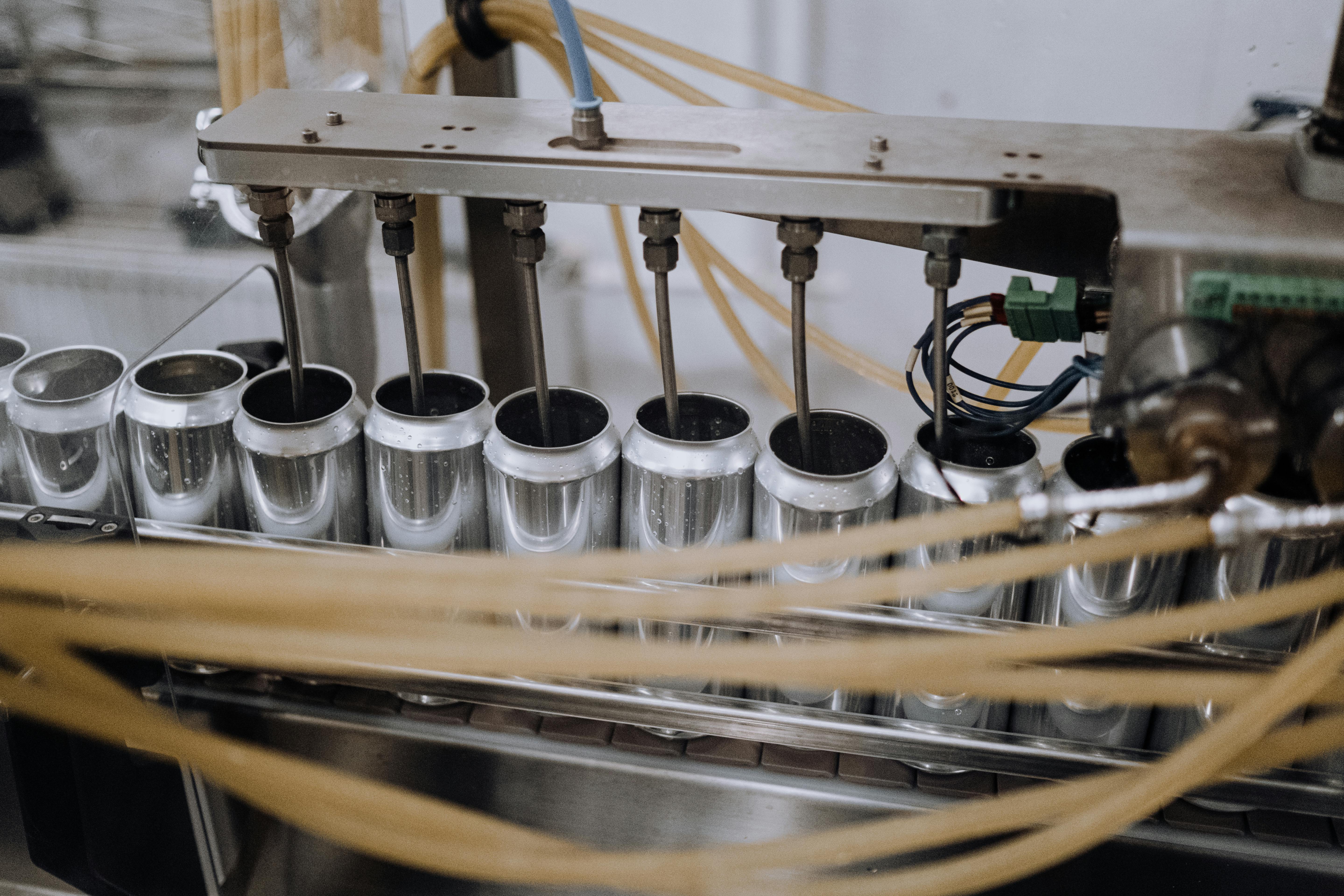
- Begin with standardization: Ensure job specs, material types, and quality criteria are clearly documented.
- Use data-driven baselines: Track current error rates, costs, and cycle times to measure future gains.
- Invest in training: Equip teams for the shift from manual to automated tasks, emphasizing technical troubleshooting and continuous improvement.
- Collaborate with integrated providers: Work with partners who bring expertise across digital print, packaging, workflow automation, and kitting, like Dumont Printing.
- Pilot before scaling: Validate results with one process or product line before a full-scale rollout.
- Plan iteratively: Use insights from each phase to shape the next, adapting as workflows and market needs evolve.
We discuss additional approaches to automation—including digital twins and wide-format innovation—in our blog Harnessing Digital Twin Technology for Smarter Printing Operations.
FAQ: Integrating Automation into Custom Packaging
What is the primary benefit of automation in custom packaging?
The main advantage is improved efficiency: packaging automation speeds up production, ensures consistent output, and reduces operational costs, all while supporting flexible and scalable customization options.
Is automation viable for small businesses or only large enterprises?
Automation solutions have become accessible for businesses of all sizes. Small businesses can begin with targeted automation—such as automated labeling or digital proofing—before scaling further as needs evolve.
How does automation impact sustainability in packaging?
By enabling precise material usage (through carton optimization and right-sizing), automation minimizes waste and resource consumption, supporting eco-friendly packaging goals.
Can automation handle highly customized or variable packaging jobs?
Yes. Digital-driven automation excels at rapid job changeovers and short runs, making it ideal for personalized, seasonal, or limited-edition packaging.
What challenges should businesses anticipate during automation integration?
Common hurdles include initial setup costs, workforce adjustment, and the need for robust standardization and training. A staged, collaborative approach with expert partners helps minimize disruption and maximize benefits.
Conclusion
Integrating automation into custom packaging goes well beyond operational efficiency—it empowers brands to deliver consistently superior, creative, and sustainable solutions in a fast-paced market. As packaging expectations evolve, businesses that invest in smart automation position themselves for long-term growth, greater market responsiveness, and a lasting brand impression.
If your organization is ready to explore or expand the benefits of packaging automation, we invite you to connect with us at Dumont Printing. Explore our expertise in digital and offset printing, custom packaging design, fulfillment strategies, and future-forward print automation. Together, we can build a workflow that both streamlines operations and delivers exceptional brand impact.