

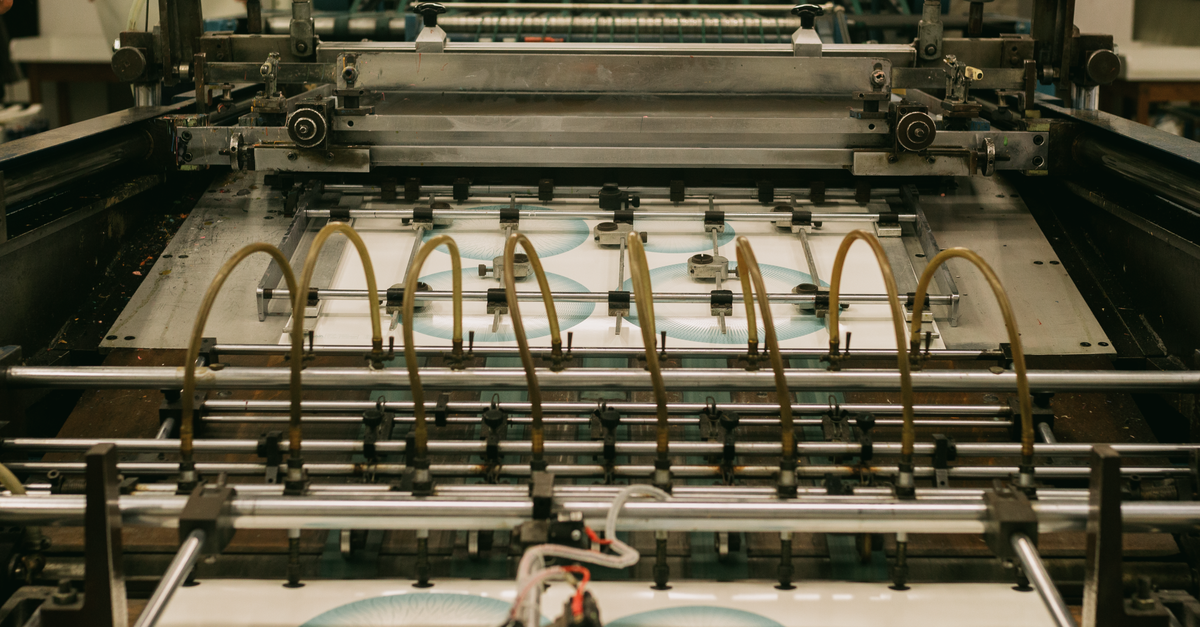
As sustainability becomes a central focus for businesses, many organizations are actively seeking ways to reduce waste and improve environmental performance in every aspect of their operations. One of the most effective eco-innovations in the commercial printing world is waterless printing technology. Not only does it sharply reduce water consumption and material waste, but it also consistently delivers premium print quality. For stakeholders prioritizing both environmental and marketing objectives, understanding waterless printing is crucial. At Dumont Printing, we see firsthand the transformative benefits of adopting this process for businesses across industries.
Waterless printing stands out as a clear solution both for brands eager to lower their environmental footprint and those pursuing uncompromising excellence in their printed communications. By removing water and chemical dampening solutions from the offset print process, this technology reduces resource consumption, enhances print quality, and streamlines production efficiency. Many businesses are already leveraging these gains for marketing materials, custom packaging, point-of-purchase displays, and direct mail campaigns—proving that eco-innovation and high-impact design go hand in hand.
Defining Waterless Printing Technology
Waterless printing is an advanced lithographic process that uses specialized silicone-coated plates and high-viscosity inks, completely eliminating the need for water-based dampening solutions. Instead of balancing ink and water to keep non-image areas clean, the silicone layer naturally repels ink where no image is needed.
- The silicone-coated plate forms the core of this technology. Non-image areas remain protected, while laser-etched image areas accept ink directly.
- Higher-viscosity inks are used to ensure image fidelity without water.
- Temperature-controlled presses keep ink flow and color consistency stable throughout the print run.
This innovative method removes variables associated with ink–water balance, minimizing the chance for color drift and waste due to set-up fluctuations.
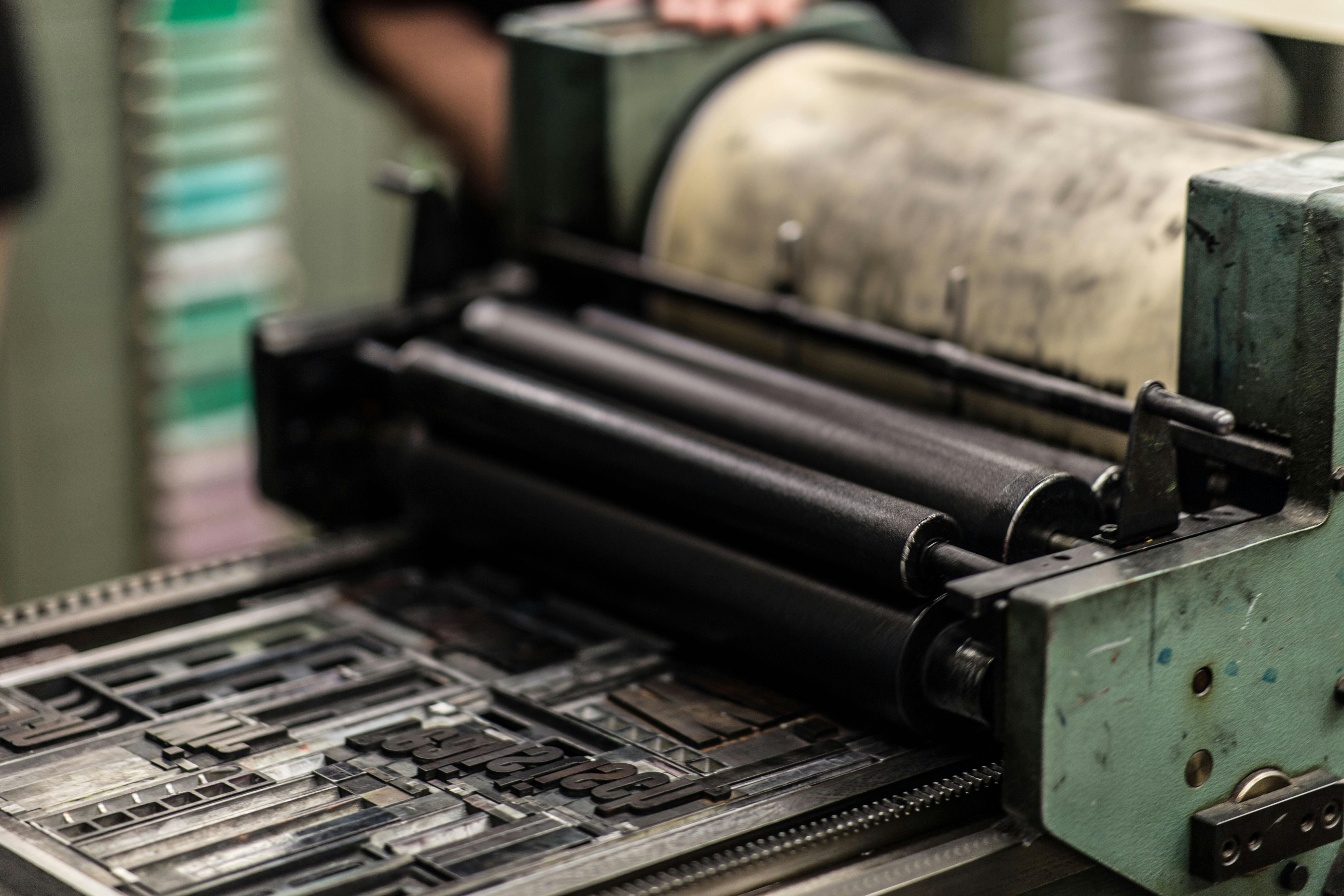
How Does Waterless Printing Work? Step-by-Step Overview
- Plate Preparation: Silicone is applied across the plate. A high-precision laser images the design, exposing the base metal only in image areas.
- Inking Process: When the plate is mounted on the press, the silicone areas repel ink while the exposed regions attract and hold ink for transfer.
- Temperature Regulation: The entire system is managed by tightly controlled press temperatures that stabilize ink viscosity and ensure exact reproduction of detailed imagery.
- Direct Printing: The plate transfers ink to the printing substrate with less fluctuation, requiring fewer make-ready sheets and producing more consistent output from the first sheet onward.
The Environmental Impact: How Waterless Printing Reduces Waste
Waterless printing technology offers tangible environmental advantages at multiple levels, delivering on both resource savings and process efficiency. Dumont Printing and other leaders in commercial print have observed these benefits firsthand:
Significant Water Savings
- Traditional offset presses consume large quantities of water (with dampening solutions typically accounting for 85–95% water content).
- Waterless printing requires no dampening solutions, eliminating associated water use and contaminated wastewater output entirely.
Concrete industry examples have shown that single facilities can save tens of thousands of liters of water annually by transitioning to waterless technology.
Reducing Paper Waste
- Fewer set-up sheets: Because color stabilization happens faster and more reliably, less paper is wasted during make-ready phases.
- More stable runs: Color fidelity holds consistently, reducing the volume of overprinted or discarded materials.
- Studies have suggested approximately 30% or more reduction in make-ready paper waste when compared to conventional offset methods.
Eliminating Hazardous Chemicals
- With no alcohol-based dampening solutions or fountain concentrates, volatile organic compound (VOC) emissions drop sharply.
- Less hazardous waste, reducing the burden for both industrial disposal and air quality compliance.
Increasing Energy and Process Efficiency
- Shorter make-ready times: Presses reach color accuracy in fewer cycles, saving time and energy.
- Consistent temperature control replaces the need for continuous recalibration, helping lower the overall process energy footprint.
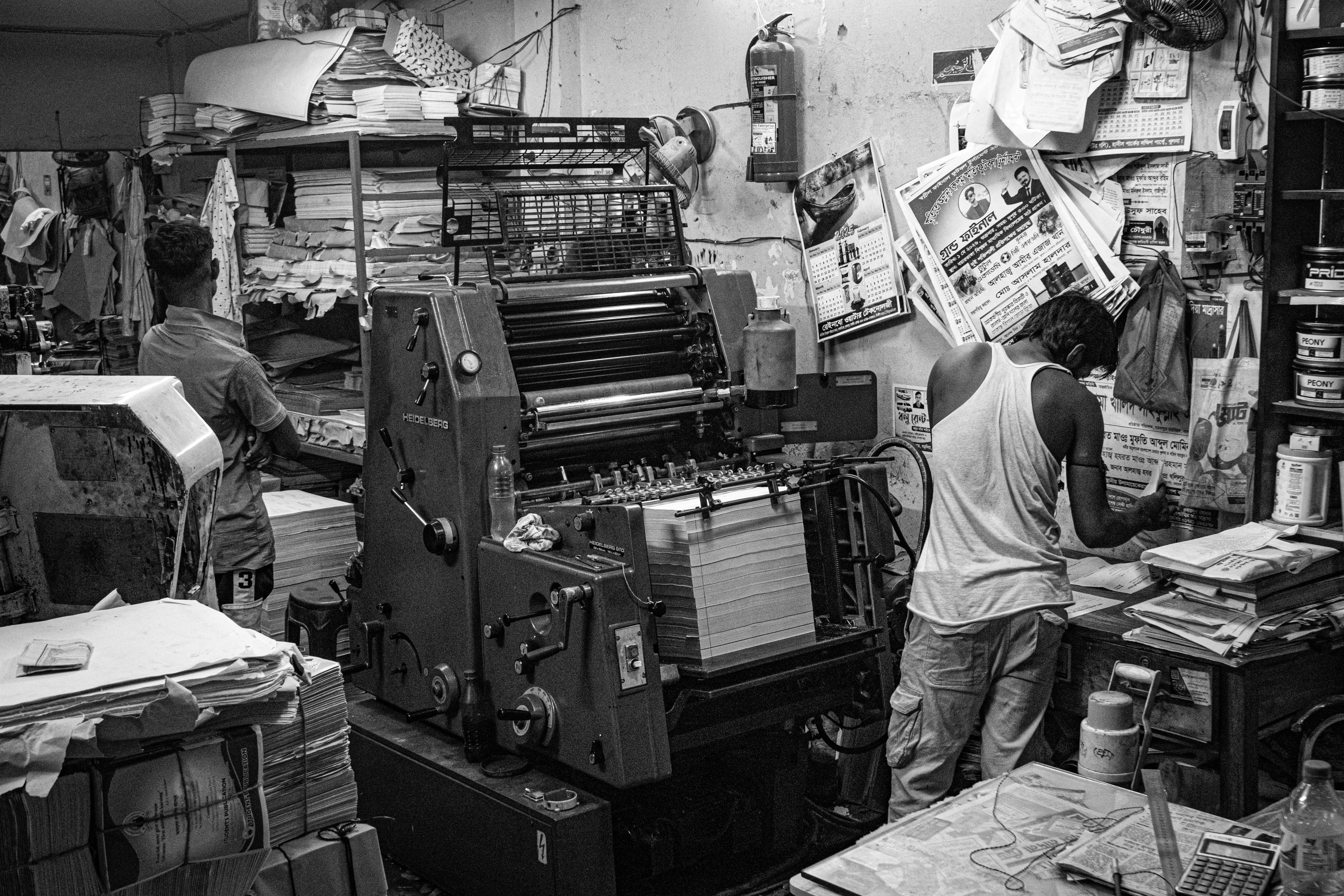
Enhanced Print Quality: Why Eco-Friendly Can Also Mean High Fidelity
One common question in the industry is whether reducing environmental impact means sacrificing the vibrancy or precision of print results. The answer with waterless printing is a definitive no. In fact, most experienced print professionals—including those at Dumont Printing—find the technology provides distinct quality benefits:
- Higher screen rulings: Allows for incredibly fine detail, smoother gradients, and high-impact photographic reproduction.
- Shaper dots and lower dot gain: Results in well-defined highlights and shadow areas with minimal color bleed.
- Wider color gamut: Waterless presses lay down thicker, high-tack inks, resulting in more vivid, saturated colors.
- Improved color consistency: With no water–ink balance to manage, every sheet remains true to the original vision.
Industry Applications and Trends Shaping Commercial Printing
Waterless printing is gaining traction among businesses seeking a competitive edge through both environmental responsibility and market differentiation. Companies in sectors like food, hospitality, retail, finance, and health services are making this technology a cornerstone of their sustainability and branding initiatives.
- Corporate brochures, investor communications, and annual reports demand precise color accuracy and low environmental impact.
- Luxury packaging, retail signage, and branded event materials stand to benefit from the deeper color and detail this method achieves.
- Periodic statements, newsletters, and direct mail benefit from the efficiency of make-ready reductions and minimized waste.
At Dumont Printing, we often advise clients on selecting the right technology for each application, drawing on our expertise in digital and offset processes, custom packaging, wide & grand format, and more. Waterless technology sits at the intersection of sustainability reporting, shorter marketing cycles, and the increasing demand for precise, elevated brand visuals.
Best Practices for Businesses Seeking Sustainability with Waterless Printing
- Start with High-Impact Projects: Prioritize projects where both environmental gains and visual fidelity will make a measurable business impact (for example, core marketing collateral or regularly recurring jobs).
- Engage Printers Early: Collaborate with experienced providers such as Dumont Printing at the design phase to optimize files for higher screen rulings and richer color profiles.
- Quantify Your Gains: Ask for reporting on paper waste avoided, water saved, and chemical reductions for inclusion in sustainability and ESG reports. Demonstrating these achievements can strengthen brand reputation and support compliance goals.
- Integrate Across the Supply Chain: Pair waterless print runs with precise variable data printing, mailing, and fulfillment to avoid overproduction and limit logistical waste.
How Dumont Printing Empowers Sustainable and High-Quality Print Initiatives
Combining innovative eco-friendly methods with proven expertise in commercial print, Dumont Printing serves as a trusted partner for small businesses, national chains, foundations, and organizations looking to achieve their sustainability goals. Our full-service model spans digital and offset printing, wide and grand format, custom packaging, apparel, and comprehensive fulfillment services.
For businesses pursuing authenticity in both their marketing and sustainability commitments, working with an experienced commercial printer who understands the unique requirements of waterless technology is essential. By offering tailored advice, design guidance, and tangible metrics, we help you embed sustainability into every stage of your print campaigns.
Frequently Asked Questions (FAQ) About Waterless Printing Technology
What is the main difference between waterless and conventional offset printing?
Waterless printing uses a silicone-coated plate and specialized high-viscosity inks to eliminate water and dampening solutions from the print process. This reduces waste, minimizes chemical use, and provides enhanced color consistency compared to traditional offset methods.
Does waterless printing cost more?
While initial plate and press set-up costs may be slightly higher, savings accrued from reduced waste, lower chemical costs, and time efficiencies often offset (or even surpass) the difference for many jobs, especially as volume increases.
Will print quality suffer by switching to waterless?
No—most commercial printers, including Dumont Printing, achieve equal or superior outcomes. Waterless methods typically produce sharper detail, richer color, and more consistent results throughout the run.
What types of projects benefit most from waterless technology?
Projects requiring precise brand colors, fine image detail, or improved environmental reporting benefit most. This includes annual reports, packaging, marketing brochures, large recurring mailings, and retail point-of-purchase displays.
How can sustainability results be measured when using waterless printing?
Your printing partner can provide data on water saved, paper waste reduced, and chemicals avoided per project or annually. Many organizations incorporate these results into their ESG reporting and sustainability initiatives.
Conclusion
Waterless printing stands as one of the most impactful advancements in sustainable print technology—empowering organizations to reduce waste, shrink their environmental footprint, and simultaneously create marketing materials of exceptional quality. By removing water and chemical variables from the offset process, businesses can reach their eco, efficiency, and branding goals with confidence.
At Dumont Printing, we help you leverage these innovations strategically. Whether your next project involves custom packaging, wide format graphics, direct mail, or premium marketing collateral, our team is ready to guide you toward measurable, meaningful results. To explore how sustainability and performance can align in your print workflow, connect with us today.
For further reading on sustainable print solutions and industry trends, you might be interested in our in-depth articles on how sustainability certifications are influencing commercial printing and the business case for adopting recycled materials in custom packaging.