

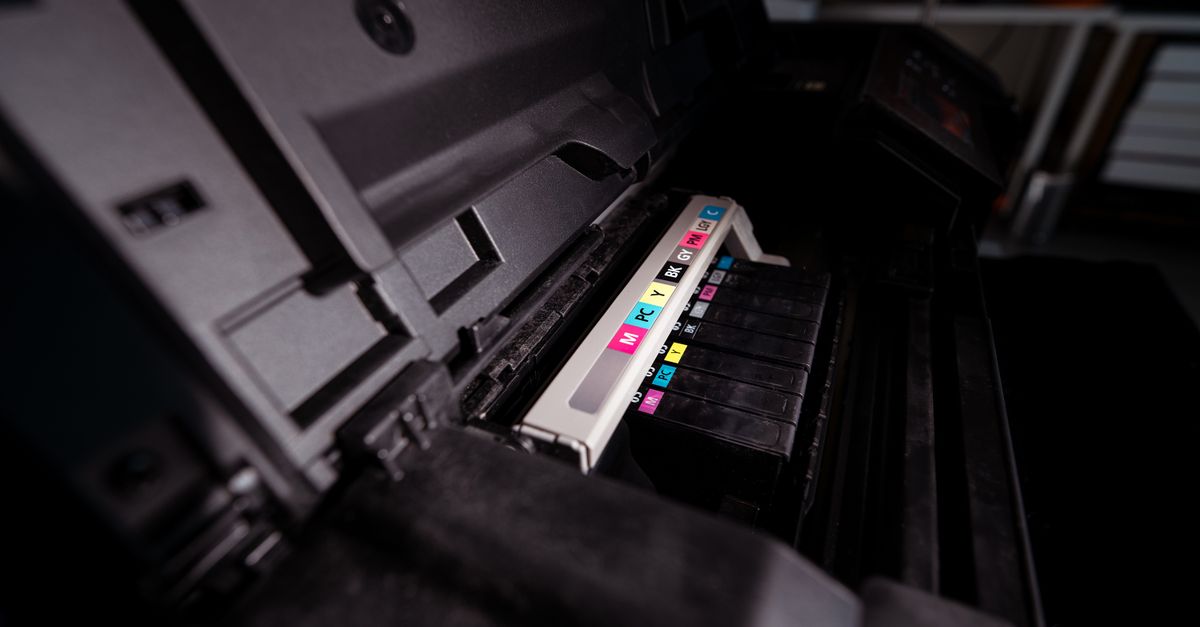
Artificial intelligence in color management has moved commercial printing forward, removing the guesswork from color consistency and raising print quality standards for every project. AI-driven color management refers to the use of automated, data-driven systems that predict, adjust, and optimize color reproduction in real time, delivering precise results across substrates, devices, and workflows. For organizations demanding perfection—such as banks, hospitals, casino brands, and national restaurant chains—this is no longer an innovation but a necessity.
At Dumont Printing, AI-powered color management is integral to the way we deliver marketing collateral, wide-format materials, promotional items, packaging, and more. By continuously monitoring and adjusting color output through intelligent algorithms, we ensure that clients experience uniformity, accuracy, and efficiency in every print run—even when work spans offset, digital, and grand format platforms.
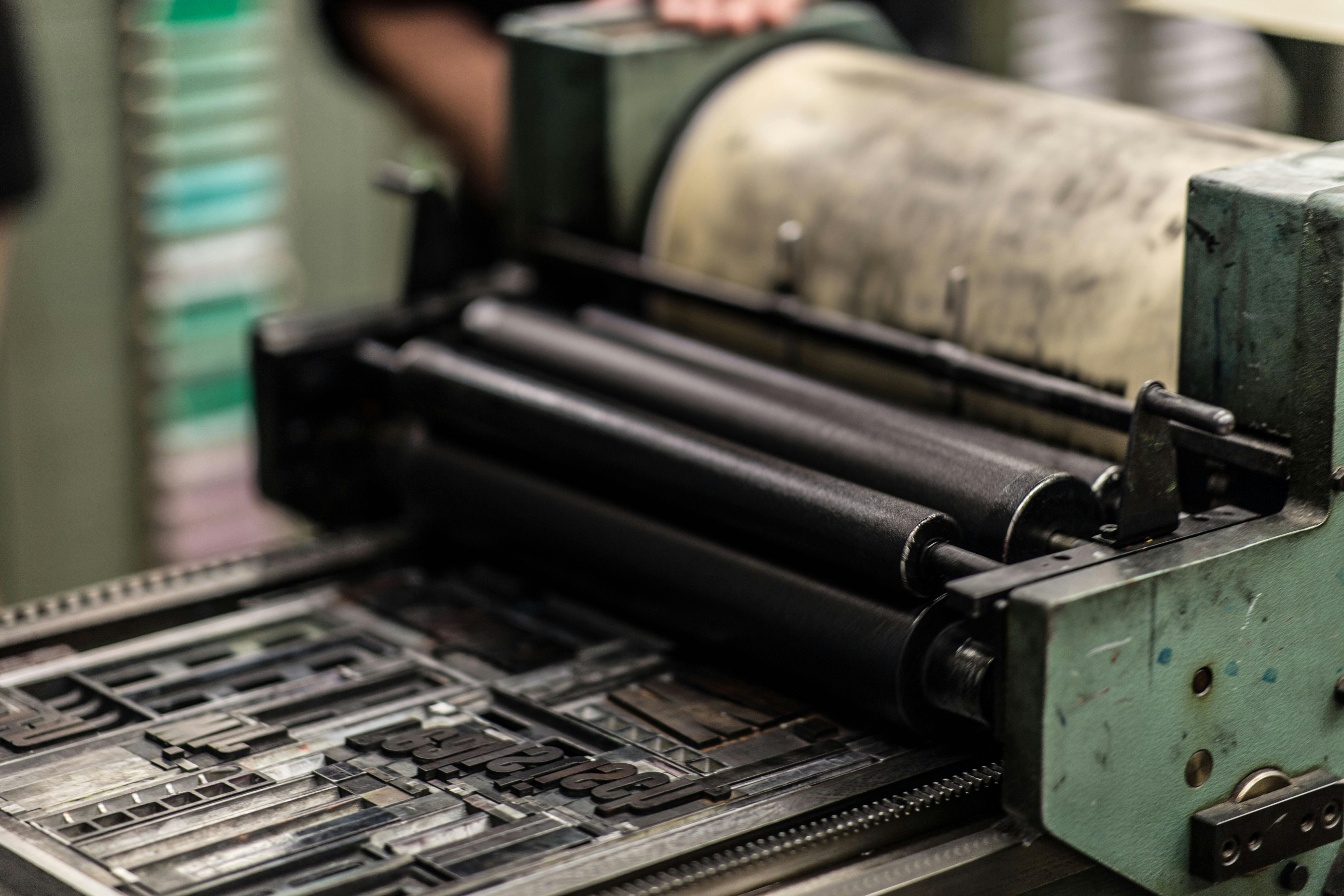
Definition: What Is AI-Driven Color Management?
AI-driven color management uses machine learning and advanced algorithms to automate and optimize all aspects of color reproduction in commercial printing. By analyzing real-time data from presses, sensors, and job histories, these systems proactively maintain color integrity, minimize manual adjustments, and ensure brand standards are met on every job.
Key Capabilities of AI-Driven Color Management
- Dynamic calibration and auto-profiling: Systems constantly monitor printed output, adapting calibration curves without waiting for scheduled checks.
- Real-time gamut mapping and brand color control: AI ensures brand-critical colors stay within tight tolerances, even across different media and devices.
- On-press defect detection and correction: Immediate identification and adjustment for color shifts, misregistration, and other quality issues.
- Predictive drift control: Anticipates color drift due to changes in temperature, ink, or substrate, making corrections before visible issues arise.
- Workflow and device integration: Harmonizes color management across varied equipment and job types for cohesive brand presence.

Why AI Is Transforming Print Quality Today
Traditional color management, based on ICC profiles and periodic manual calibration, is often labor-intensive and sometimes unable to keep up with the pace and complexity of modern print environments. Issues become especially prominent when jobs are run across many devices and materials, or when color accuracy is business-critical. AI eliminates much of this risk by:
- Enabling printers to maintain color consistency despite environmental variations—like humidity, temperature, or substrate changes.
- Reducing make-ready waste and unnecessary reprints through early error detection and correction.
- Cutting approval times for clients, since proofs reliably match the final product.
- Improving sustainability, thanks to efficient ink usage and less wasted material—important for businesses focused on eco-friendly practices.
How AI-Driven Color Management Works: A Step-by-Step Guide
- Data collection: Presses, spectrophotometers, and sensors relay continuous readings on ink density, substrate, and output quality.
- Analysis: Machine learning models review this stream of input to identify trends, drifts, or deviations from target color values.
- Real-time adjustment: The system dynamically recalibrates presses, adjusting ink keys or toner, and even recommending changes in substrate if needed.
- On-press defect inspection: AI tools spot imperfections like banding, off-color, or misregistration, and can pause or correct jobs immediately.
- Feedback and refinement: Each job’s data is looped back into the system, allowing continual improvement in future print runs.
- Reporting: Transparent logs and metrics help quality assurance teams and clients understand and trust the process.
Industry Scenario: AI Color Management in Action
Imagine a national bank launching a multi-location marketing push. Print requirements span:
- Direct mailers with variable data
- Wide-format in-branch displays
- Branded brochures and employee handbooks
- Custom packaging and promotional labels
With AI-driven color management at Dumont Printing, the process is seamless: prepress software flags any color issues, dynamic adjustment ensures uniform blues and golds across substrates, on-press cameras and sensors catch and correct deviations instantly, and approval time is reduced. The campaign launches on time, with every touchpoint reflecting precise brand colors—no matter where or how it is printed.
Business Impact: Benefits for Brands and Print Buyers
- Higher first-pass yield: Most jobs are approved immediately, reducing overtime and rush corrections.
- Waste reduction: Data-driven adjustments minimize material usage and scrap, aligning with green objectives—a topic explored in our blog on eco-friendly inks and substrates.
- Lower service costs: Fewer complaints and faster resolution keep projects running smoothly, supporting clients’ deadlines and budgets.
- Enhanced brand trust: Businesses know their identity is safeguarded across every campaign, regardless of complexity or print method.
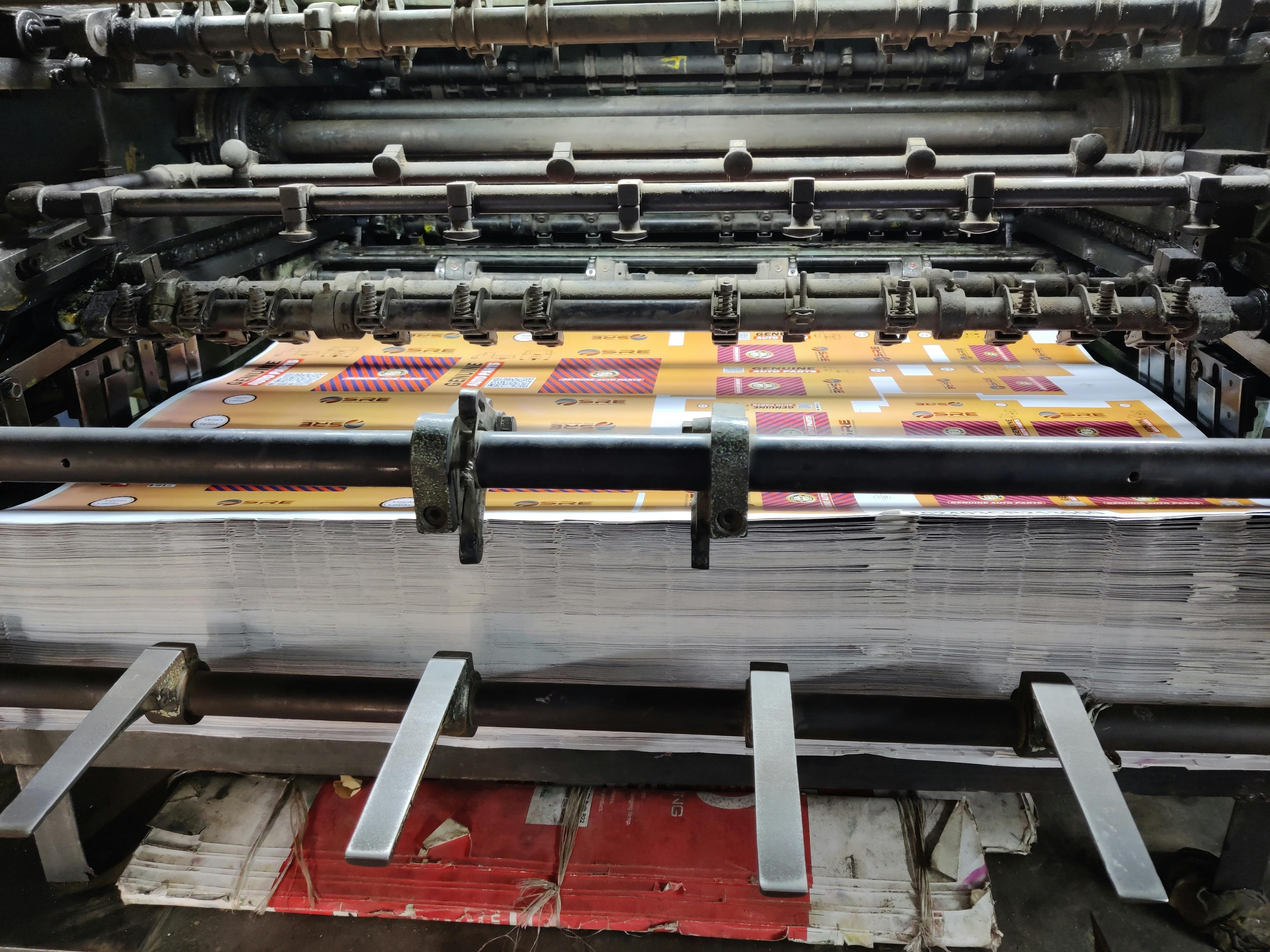
How to Effectively Implement AI-Driven Color Management
1. Strengthen Fundamental Color Practices
- Calibrate equipment on a set schedule.
- Create ICC profiles based on key substrates and inks.
- Standardize color expectations internally and with clients.
2. Build Robust Data Collection and Infrastructure
- Connect all relevant devices to centralized workflow or MIS/ERP systems.
- Ensure color measurement devices are dependable and consistently maintained.
3. Introduce AI Solutions in Key Workflows
- Pilot AI-supported presses or prepress departments for data gathering and staff onboarding.
- Layer AI analytics on top of existing RIPs or digital front ends for smooth adoption.
4. Upskill Your Staff
- Train press operators and designers to leverage new AI tools and interpret actionable insights.
- Clarify that AI acts in support of human craftsmanship, not as a full replacement.
5. Integrate Fully Across the Workflow
- Link color management data to estimating, scheduling, and maintenance—to maximize overall quality and predictability.
- Seek continuous improvement from job and campaign history data.
Future Trends in AI Color Management
- Federated learning models—AI that maintains color standards across multi-location print networks without sharing proprietary client data.
- AI-enhanced color workflows—Combining traditional ICC processes with machine learning for enhanced color accuracy and real-time defect catching.
- Sustainable ink optimization—AI that balances precise color with ink conservation and environmental impact.
- Designer-facing simulation tools—Previewing color output on different substrates, ensuring design decisions lead to predictable production results.
Best Practices for AI-Driven Color Management
- Start with strong foundational color management protocols.
- Select AI tools that seamlessly integrate with existing presses and workflows.
- Establish robust data collection, prioritizing measurement accuracy and data hygiene.
- Train staff to interpret AI recommendations and maintain human oversight on critical jobs.
- Review and analyze campaign outcomes, using data to continuously refine color strategies for each client or project type.
Frequently Asked Questions
What exactly is AI-driven color management?
AI-driven color management uses machine learning algorithms and sensors to analyze and adjust color in real time, helping commercial printers achieve consistent, accurate results with reduced manual input and faster turnaround.
Why is AI important for color-critical print jobs?
AI ensures that brand colors are faithfully reproduced every time, even when printing on different devices and materials. This is essential for industries where color is tied directly to brand reputation and compliance.
Does using AI in color management mean operators are no longer needed?
No. Many businesses find that AI acts as a support system for skilled operators, automating tedious adjustments but leaving key decisions and quality checks in human hands.
How can AI-driven color management support sustainability?
By minimizing unneeded make-ready waste, reducing ink usage, and quickly catching errors, AI-driven color management aligns with sustainability goals and decreases costs from scrap or rejected jobs.
Is AI color management valuable for small print runs or only high-volume jobs?
AI adds value at both scales. For smaller runs, it speeds up setup, reduces mistakes, and ensures fast delivery. For larger or multi-location campaigns, it guarantees color consistency and protects brand investment.
How does Dumont Printing lead in AI-driven color solutions?
We pair industry expertise with technology adoption, integrating AI color management into digital, offset, packaging, and wide-format workflows, delivering reliability and innovation at every step. Learn more about related solutions in our post on print automation.
Conclusion
AI-driven color management is redefining what is possible in commercial printing, allowing printers such as Dumont Printing to deliver flawless brand colors, boost operational efficiency, and support sustainability. By seamlessly integrating machine learning with established color principles and expert staff, we ensure every client—whether a nationwide brand, charity, startup, or retail chain—receives print materials with vibrant, precise, and consistent results.
To explore how AI-driven innovation can elevate your next marketing campaign, event, or packaging project, connect with our expert team at Dumont Printing.