

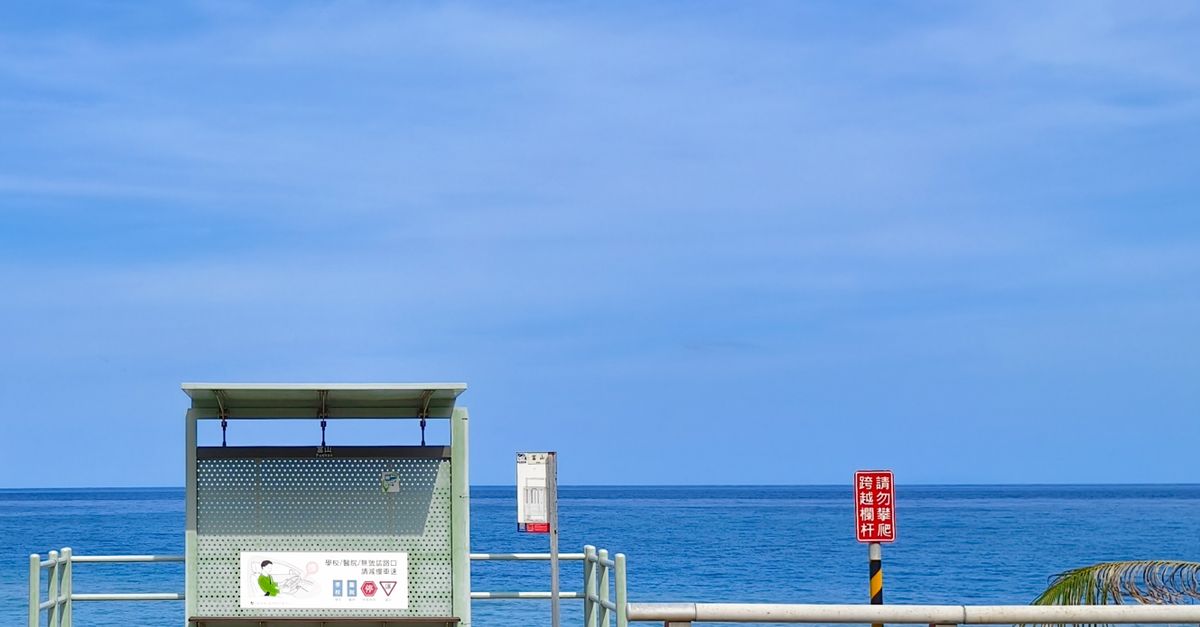
Eco-friendly wide and grand format graphics are essential for brands that want to stand out while meeting modern expectations for sustainability. Integrating best practices at every stage—from design and material selection, to installation and end-of-life—enables organizations to achieve eye-catching visual impact while significantly reducing environmental impact. At Dumont Printing, we focus on a holistic approach to sustainable wide and grand format projects, guiding our clients to make choices that prioritize both function and responsibility, delivering results that endure in the marketplace and for the planet.
What Are Eco-Friendly Wide & Grand Format Graphics?
Eco-friendly wide and grand format graphics are large-scale print displays—such as banners, wall murals, building wraps, event signage, and trade show graphics—produced using sustainable materials, processes, and design strategies. The core idea is to minimize waste, use responsible substrates and inks, and design systems that are reusable or recyclable. Dumont Printing works closely with businesses to ensure every detail of their project aligns with sustainability goals, from concept to completion.
Why Sustainability Matters in Large Format Branding
Large format graphics amplify your brand’s presence, but traditional production methods can generate significant waste through excess substrate, single-use designs, and hazardous inks. As environmental standards tighten and customers become increasingly eco-conscious, sustainable branding is both an expectation and a differentiator. Sustainable graphics demonstrate your values to clients, employees, and the community, and align with regulations and green initiatives. By partnering with sustainable print experts like Dumont Printing, brands reduce risk, cut material waste, and streamline their environmental compliance.
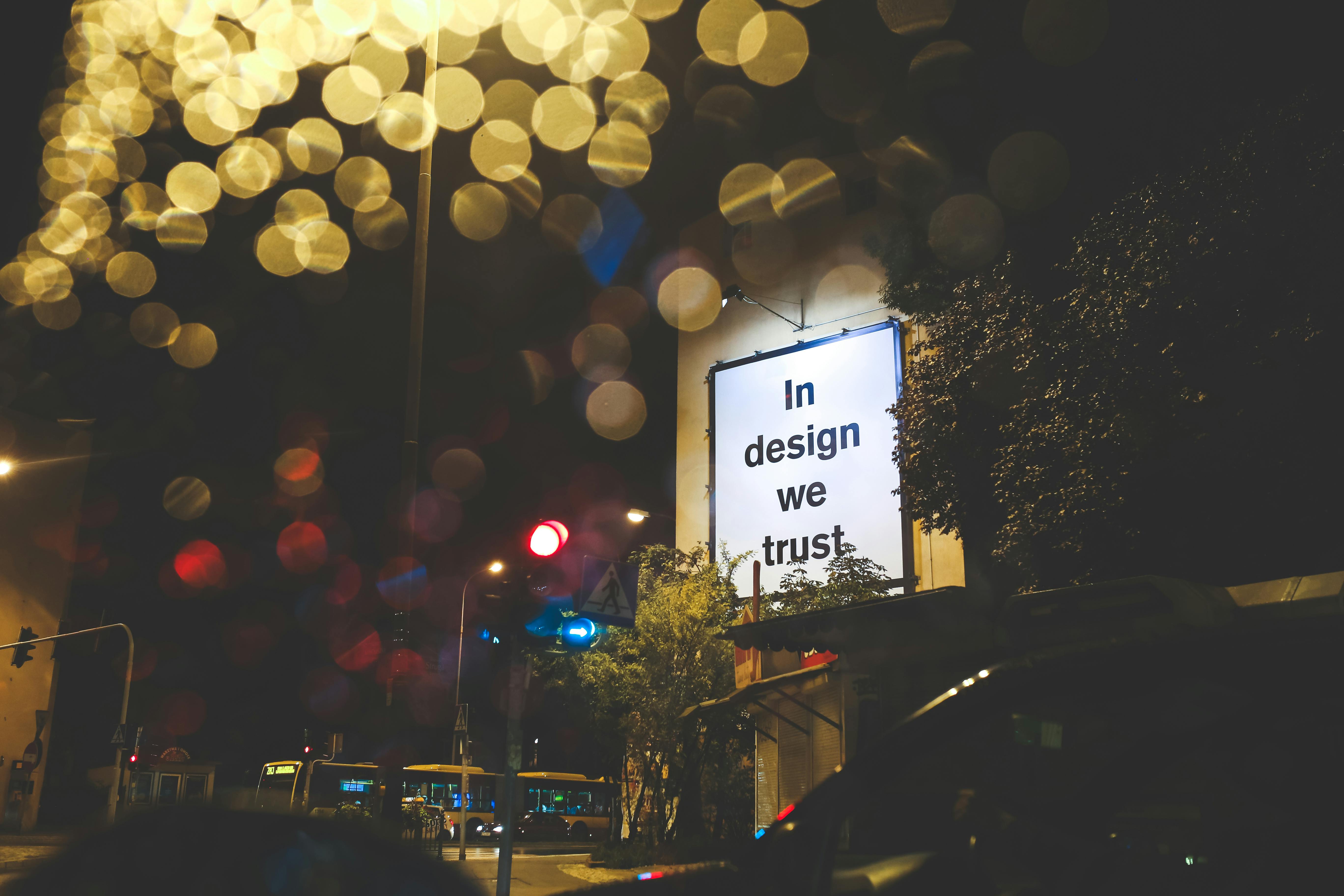
Sustainable Wide & Grand Format Printing: Step-by-Step Best Practices
1. Size and Quantity: Order Smart, Avoid Waste
Overproduction is a common challenge in wide format graphics. Carefully determine how many pieces are truly needed for your campaign or event. Use modular displays and flexible designs so structures can be reused with updated graphics. At Dumont Printing, our consultation process includes assessing your actual use needs, avoiding excess inventory and minimizing unnecessary waste.
2. Substrate Selection: Choose with Purpose
The substrate—the physical material of your graphic—greatly influences sustainability. Durable, recyclable, and PVC-free materials are increasingly available for both indoor and outdoor use. Textile graphics, recycled-content boards, and hardware with replaceable faces enable brands to refresh visuals without discarding entire display systems. For additional details on sustainable substrate selection, see our internal resource How Smart Substrate Selection Drives Sustainable and High-Impact Wide Format Projects.
3. Ink & Printing Method: Reduce Emissions and Waste
Sustainable inks—such as low-VOC, water-based, and vegetable-based formulas—lower harmful emissions and align with indoor air quality standards. Optimizing print settings for each substrate also prevents excess ink usage and reduces the need for reprints. At Dumont Printing, our team is trained to match the best print technologies and ink systems with your project’s requirements.
4. Design for Reuse
Reusable graphics are the gold standard of sustainable wide format branding. Modularity, replaceable panels, and evergreen design elements let core structures remain in use, while only variable graphics rotate in and out. This approach supports both cost-effectiveness and waste reduction, especially for organizations with recurring seasonal promotions or events.
5. Optimize Artwork & Prepress
Efficient file setup reduces substrate waste and production errors. Digital proofs, proper artwork sizing, and minimizing excessive bleeds all contribute to lower material consumption. Bringing Dumont Printing into your process early ensures that graphics are produced without unnecessary trial-and-error, supported by advanced workflow automation where available.
6. Sustainable Finishing and Installation
Finishing touches—like coatings, adhesives, and laminates—can make or break the recyclability of your graphics. Where possible, opt for water-based adhesives and minimal laminates that are needed only for extended durability, not short-term projects. Certain installation methods also allow for easy removal and reuse, keeping hardware in circulation longer.
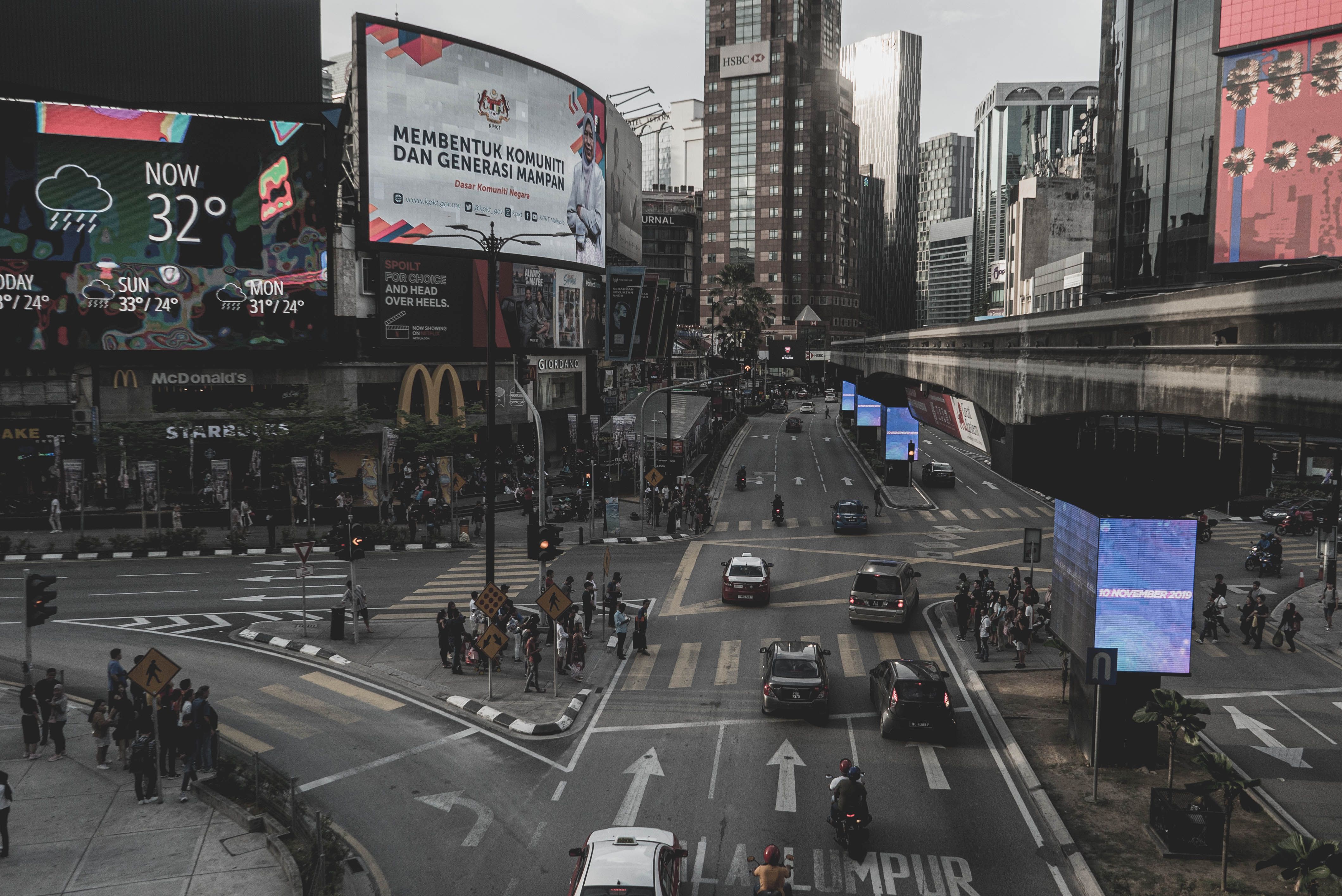
7. End-of-Life Planning
Consider recyclability and next use from the start. Confirm with your printer and substrate supplier which materials fit local recycling systems, and design graphics for straightforward separation of recyclable and non-recyclable components. Durable frames and hardware can be stored for future use, further optimizing your investment. See our resource on Eco-Friendly Inks and Sustainable Substrates: Innovations Shaping the Future for more info on material choices and their end-of-life impacts.
Checklist for Sustainable Wide & Grand Format Projects
- Verify correct display sizes, lifespans, and necessary quantities.
- Request substrate choices tailored to location and expected use.
- Select inks and print methods with lower environmental impacts when feasible.
- Use reusable display systems and modular layouts.
- Request digital proofs and minimize prepress prints.
- Review finishing options for recyclability and minimal waste.
- Plan ahead for graphic updates and end-of-life strategies.
Real-World Applications and Industry Trends
Sustainable graphics are gaining ground across industries. For example, retail brands increasingly use modular signage for recurring promotions, changing only the face graphic. Trade show exhibitors reuse booth hardware from event to event, updating graphics for each show. Hospitals, universities, and banks implement signage systems designed for easy updates, keeping core structures consistent and replacing only variable info panels. Many businesses find these strategies not only cut waste and cost but also strengthen visual consistency and brand reputation.
Industry News and Trends
- Growing adoption of PVC-free, recyclable, and recycled-content substrates.
- Advances in water-based and eco-solvent ink technology.
- Focus on lifecycle-thinking—from planning through disposal, not just materials selection.
- Increased demand for modular and reusable display systems, driven by cost and environmental priorities.
How Dumont Printing Leads in Sustainable Branding
At Dumont Printing, we take an integrated approach to sustainability for every wide or grand format project. We guide clients on substrate selection, employ advanced print methods, support digital workflow and automation, and emphasize reuse at every opportunity. Our expertise helps you navigate trade-offs between durability and sustainability, delivering graphics that reflect your brand’s commitment to responsible practices. Working together, we can reduce excess material use, enable reuse, and help your message leave a positive impact on both your audience and the environment.

Frequently Asked Questions
What materials are considered sustainable for wide and grand format graphics?
Common sustainable options include PVC-free banner materials, recyclable fabric graphics for reuse, recycled-content board for short-term signage, and modular hardware with replaceable face graphics. Dumont Printing can help select the best option for your specific needs.
Are water-based inks as durable as traditional inks?
Water-based inks often match or exceed the performance required for indoor and short-term outdoor applications. For high-traffic or long-term displays, our team evaluates print durability needs and helps select the most appropriate eco-friendly ink technologies.
How can businesses balance sustainability with budget?
Reuse, modularity, and smart substrate selection often reduce long-term costs by minimizing material waste and the need for frequent hardware replacement. Dumont Printing advises clients on the most cost-effective and sustainable solutions for their branding objectives.
Can all wide format materials be recycled?
Not all substrates are widely recyclable. It’s important to confirm local recycling capabilities and to avoid misleading claims. Dumont Printing provides guidance on the most locally recyclable options and helps plan for responsible disposal or reuse.
What’s the risk of choosing the wrong substrate?
Selecting a substrate not suited to its intended environment can cause premature failure, excessive waste, or increased replacement costs. Our expertise protects against these pitfalls by matching substrate performance to your campaign’s true needs.
Conclusion
Sustainable wide and grand format graphics are more than a trend—they represent a smarter, more responsible way to build lasting visual impact in a world that prizes environmental stewardship. By partnering with leaders like Dumont Printing, you can be confident that every step of your project contributes to both your branding and sustainability goals. For more strategies on responsible print production and sustainable branding, explore our past guides:
Strategies for a Greener Supply Chain and Innovations in Eco-Friendly Inks and Substrates. Interested in a partner with expertise in wide format, packaging, and eco-friendly print? Discover what Dumont Printing can do for your business at https://dumontprinting.com.
(function(){if(window.blogViewTracked)return;window.blogViewTracked=true;var blogId=26574;var xhr=new XMLHttpRequest();xhr.open(‘POST’,’https://dumontprinting.frizerly.com/api/trackBlogView’,true);xhr.setRequestHeader(‘Content-Type’,’application/json’);xhr.send(JSON.stringify({blogId:blogId}));})();