


Digital twin technology is rapidly redefining how modern print operations achieve efficiency, resilience, and customer value. A digital twin is a sophisticated virtual replica of a physical system—be it a single wide-format press or an entire multi-line packaging floor. By bridging live data from equipment with advanced simulation and artificial intelligence (AI), digital twins offer us the ability to monitor, analyze, and fine-tune production without operational risk. For forward-thinking partners like Dumont Printing, adopting digital twin solutions means unlocking smarter, more agile printing environments that better serve both our team and our clients.
At its core, digital twin technology empowers print businesses of any scale, from startups to national brands, to transition from reactive troubleshooting to proactive, data-driven decision-making. With the integration of real-time sensors, Internet of Things (IoT) devices, and simulation tools, we can now anticipate maintenance needs, predict print quality, and streamline operator training—all while aligning with sector demands for faster turnaround and sustainability. Dumont Printing, as an expertise-driven provider for everything from marketing materials to complex packaging, is uniquely positioned to lead clients into this next era of smarter, more sustainable printing.
Defining Digital Twin Technology in Print
A digital twin is a dynamic, digital representation of a physical asset—such as a commercial printer, finishing line, or overall workflow. This model mirrors the state and performance of real-world equipment using live input from sensors and operational data. In practice, print professionals can interact with this digital twin to test process changes, visualize outcomes before production, and even identify potential risks in a risk-free virtual space.
Modern digital twins in printing leverage:
- IoT sensors capturing data such as temperature, vibration, ink flow, and throughput
- AI-driven analytics for diagnosing faults and predicting failures
- 3D simulations for immersive operator training and process validation
For a company like Dumont Printing, embracing this technology enhances not just production oversight, but also the quality and reliability we deliver to clients across retail, healthcare, hospitality, and more.
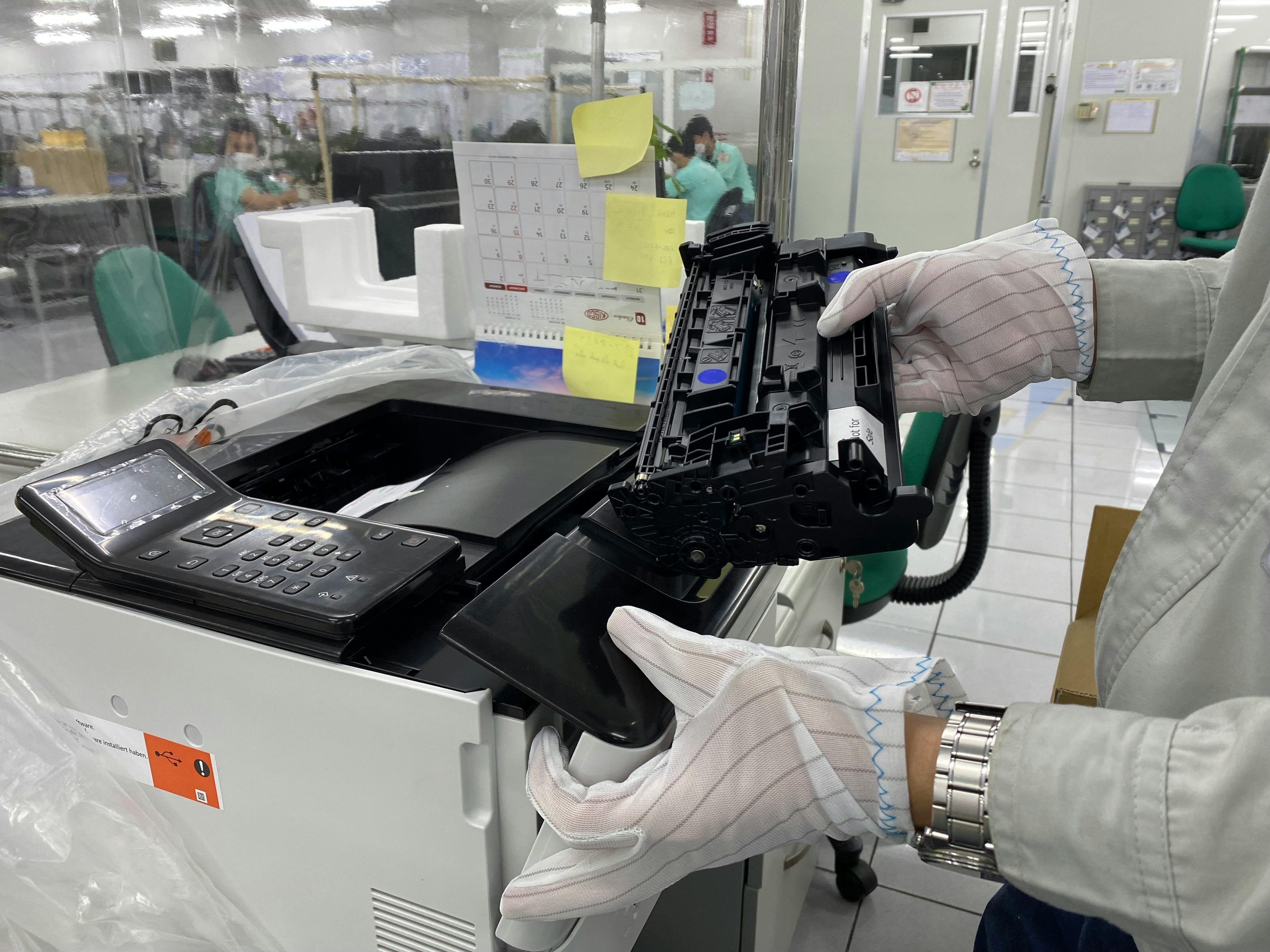
The Strategic Benefits of Digital Twins in Printing
- Real-Time Monitoring and Predictive Maintenance: With a digital twin, operators and managers can continuously monitor the health of critical assets (like wide-format presses and digital cutters). Instead of reacting to issues after breakdown, digital twins enable us to foresee and address equipment failures before they disrupt jobs.
- Optimized Print Quality: Through simulation, print runs can be tested for defects, thermal inconsistencies, and substrate handling within the digital twin. This is especially valuable for custom packaging and magazine production—two areas where Dumont Printing specializes in delivering exacting quality every time.
- Accelerated, Safer Training: Immersive modules allow team members to learn diagnostics and repairs virtually, developing expert skills without risking live equipment or disrupting workflow.
- Sustainability Advancements: By reducing unnecessary reprints, eliminating the need for physical prototypes in packaging design, and remotely resolving technical issues, digital twins contribute to lighter material use and lower carbon footprint—priorities Dumont Printing integrates into our ongoing innovation strategy. For more on our sustainable design approaches, see Sustainable Design Principles for Wide & Grand Format Projects.
- Cost and Time Savings: Whether you’re running bulk direct mail or short-run event signage, less downtime and fewer errors mean tighter budgets and faster delivery. Our programmatic print solutions, explored further in Leveraging Programmatic Print, show just how transformative smart automation can be.
How Digital Twins Are Transforming Printing: Industry Applications
Digital twins are no longer a future possibility—they are actively reshaping wide-format printing, offset production, and all the diverse services we offer at Dumont Printing. Here are a few real-world scenarios and trends observed across the industry:
- Wide-Format and Event Graphics: Interactive digital twins allow us to simulate banner runs, kitting, and fulfillment flows. Operators can run virtual tests for large signage or trade show graphics and predict output quality on different substrates without pausing live machinery.
- Custom Packaging & 3D Printing: Advanced solutions seen in 3D print testbeds use high-powered simulation to model everything from microstructure to heat covering. For businesses needing rapid launches or custom-printed packaging, digital twins enable cost-optimized prototypes that are right the first time—cutting both expenses and environmental waste.
- Traditional Printing & Mailing: In commercial settings, twins streamline prepping jobs for variable data printing and bulk mailing. From casino promotional mailers to branded employee handbooks, more precise, predictive setup equals quicker turnaround and fewer costly errors.

At Dumont Printing, we’re actively evaluating digital twin platforms compatible with offset, digital, and specialty lines, ensuring every innovation aligns with our commitment to quality, fulfillment, and national client needs.
Step-by-Step Guide: Implementing Digital Twins in Print Operations
Transitioning to digital twins follows several practical stages. Here’s an actionable roadmap inspired by both industry experience and leading research:
- Evaluate Assets and Priorities: Catalog printers, finishers, packaging stations, and identify bottlenecks or high-maintenance equipment.
- Upgrade Data Infrastructure: Add IoT sensors to legacy machines where possible, focusing on temperature, motor health, and throughput metrics.
- Select Appropriate Software Tools: Opt for platforms compatible with your asset types and company scale. Many businesses in grand and wide-format find XR-compatible or cloud-based solutions essential for remote analysis.
- Create the Virtual Models: Turn CAD files and floor layouts into interactive simulations. Include settings for ink types, media formats, and finishing processes as needed for your product mix.
- Integrate Analytics and Automate Response: Set up dashboards that highlight predictive maintenance needs, color drift, waste percentages, or other KPIs.
- Engage and Train Teams: Roll out immersive training modules to upskill staff safely and quickly, leveraging virtual walkthroughs and repair tasks on digital machines.
- Iterate Continuously: Use data from live runs to refine the models and feedback loops, ensuring ongoing improvement and ROI tracking.
Tackling Adoption Challenges
While the value is clear, digital twin rollouts in print face genuine challenges including data quality management, up-front investment in sensors and software, and the computational horsepower needed for detailed simulations. Many companies start with a high-impact area—like wide-format floor or direct mail line—before expanding across the full operation.
By leaning on trusted experts, especially from full-service leaders like Dumont Printing, many businesses manage a careful, non-disruptive transition that builds digital maturity and competitive edge over time.
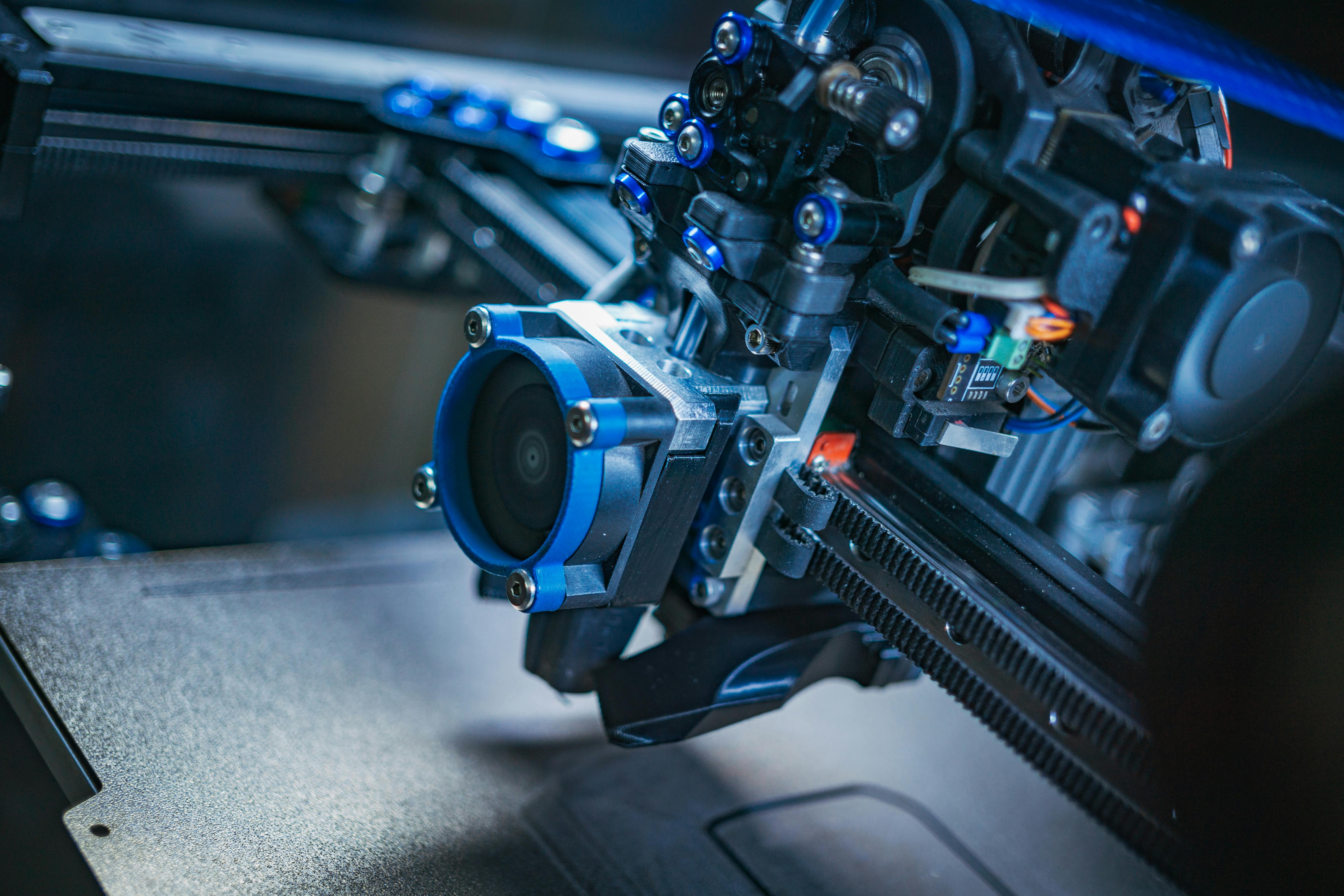
Emerging Trends: The Future of Digital Twins in Print
As digital twin capabilities continue to mature, several innovation trends stand out:
- AI-Powered Automation: Seamlessly linking analytics to production systems for on-the-fly adjustments, such as regulating ink flow during variable data printing or flagging substrate mismatches in kitting.
- Sustainable Packaging Simulation: Wider adoption of digital twins for material usage modeling ensures products are both lighter and more eco-friendly, in tune with our ongoing efforts to support sustainability in every custom packaging job. Read more about our approach in The Business Case for Adopting Recycled Materials in Custom Packaging.
- Remote and Mixed Reality Training: For teams distributed across facilities—or clients training on equipment remotely—XR-compatible twins will become a cornerstone of safety and skill-building protocols.
Best Practices for Maximizing Digital Twin Impact
- Start with a pilot project: Select a single production line or workflow with measurable impact potential.
- Pursue cross-functional planning: Involve production leads, IT, designers, and customer support when scoping goals for the digital twin.
- Synchronize with sustainability goals: Whenever possible, use the digital twin to model greener workflows or materials—something that continues to shape Dumont Printing’s partnerships across sectors.
- Prioritize team engagement: Effective training and staff buy-in accelerate value realization and troubleshooting ease.
- Review data security: As more equipment and workflows become digitally connected, ensure robust cybersecurity and operational privacy for both your business and your clients.
Frequently Asked Questions
What is a digital twin in printing, and why does it matter?
A digital twin is a virtual model of a real-world print asset or workflow, using live data to monitor, simulate, and optimize operations. It enables predictive maintenance, better quality control, and faster innovation, making it a critical tool for advanced commercial printing.
How can digital twin technology benefit small and large print businesses?
Both small startups and national enterprises gain from digital twins through improved equipment uptime, accelerated training, fewer errors, smarter supply chain management, and enhanced sustainability efforts.
Is digital twin implementation expensive or disruptive?
Costs vary based on the scale of adoption and infrastructure needs. Many companies find starting with a targeted pilot reduces risk and cost. Guidance from seasoned providers like Dumont Printing supports a smooth, minimal-disruption rollout.
Can digital twins support sustainability in print?
Yes. By simulating workflows and material choices, digital twins help minimize waste and optimize resource usage, aligning print operations with modern sustainability mandates.
Which printing processes benefit most from digital twins?
Wide-format printing, offset and digital presses, packaging, and fulfillment all benefit—especially where real-time monitoring, complex design validation, or quick-change setups are needed.
Conclusion
Digital twin technology is fundamentally reshaping the printing sector’s ability to deliver high-quality, fast-turnaround, and sustainable solutions to clients ranging from restaurants and hospitals to charities and banks. Dumont Printing is proud to be at the forefront of these advancements—helping every customer harness smarter production, greater reliability, and a more sustainable future. If you’re interested in exploring digital twins or any other print innovation, connect with us today at Dumont Printing and see how our people-first expertise can elevate your next print project.