


Hybrid printing technology is rapidly reshaping the landscape of custom packaging, combining the strengths of digital and flexographic (flexo) printing into a single workflow. For us at Dumont Printing, this evolution is far more than a buzzword—it represents a strategic advancement that enables our clients to achieve standout branding, greater efficiency, and flexible runs across various sectors. In this deep dive, we’ll explore how hybrid print is transforming the industry, why it’s a game-changer for complex packaging projects, and best practices for leveraging it to your advantage.
Understanding Hybrid Printing: The Fusion of Analog and Digital
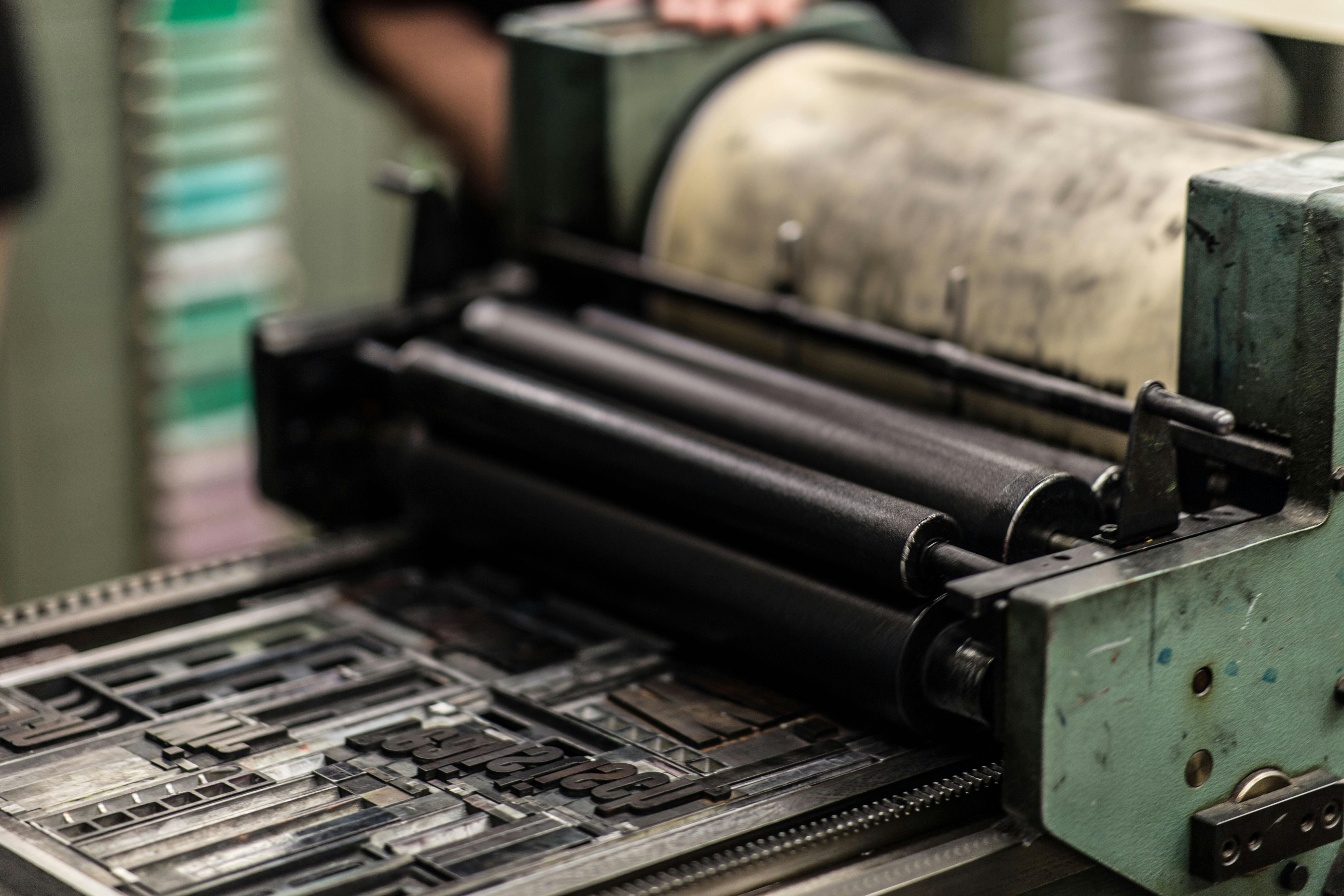
Hybrid printing integrates classic flexographic modules (renowned for high speed, durability, and bold spot colors or whites) with advanced digital printheads, typically inkjet, on a single press line. Everything is accomplished in one pass: flexo lays down high-opacity bases and brand-defining colors, digital applies dynamic full-color graphics and variable data, and inline finishing brings everything together seamlessly.
- Flexo stations: Handle whites, metallics, coatings, and primers that set the foundation for durability and vibrancy.
- Digital module: Delivers photographic images, gradients, small text, and highly customized or versioned graphics.
- Inline finishing: Enables varnishing, laminating, foil, die cutting, and more without offline steps.
Automated inspection and finishing ensure tight registration and high quality throughout the process, making hybrid printing both robust and precise.
Why Hybrid Printing Is Making Waves in Packaging
Each packaging project is unique. Some demand long runs of a single design (where flexo has traditionally shined). Others require short or medium runs, frequent design changes, or mass personalization—all areas where digital printing excels. Hybrid presses let us match the right technology to each element, instead of forcing a one-size-fits-all approach.
| Feature | Flexo | Digital | Hybrid |
|---|---|---|---|
| Setup Speed | Slower (plates needed) | Instant (no plates) | Quick, minimal plate change |
| Customization | Limited | Unlimited (variable data) | Unlimited for content, plus complex finishing |
| Cost for Short Runs | High (plate costs) | Low | Lower, due to fewer plate changes |
| Effects & Finishes | Excellent for specials | Good for details | Best of both, in one pass |
Trends Driving the Rise of Hybrid Print
Market and design demands continue to evolve, and hybrid printing answers several growing needs:
- Multi-SKU and Versioned Packaging: Brand families increasingly need packaging in multiple flavors, formats, or languages. Hybrid print allows us to use a shared flexo base while digital handles unique variants without constant press setup changes.
- Shorter Product Lifecycles: The push for seasonal editions and frequent marketing refreshes means setup time and plate costs matter more than ever. Hybrid workflows handle rapid shifts with minimal downtime.
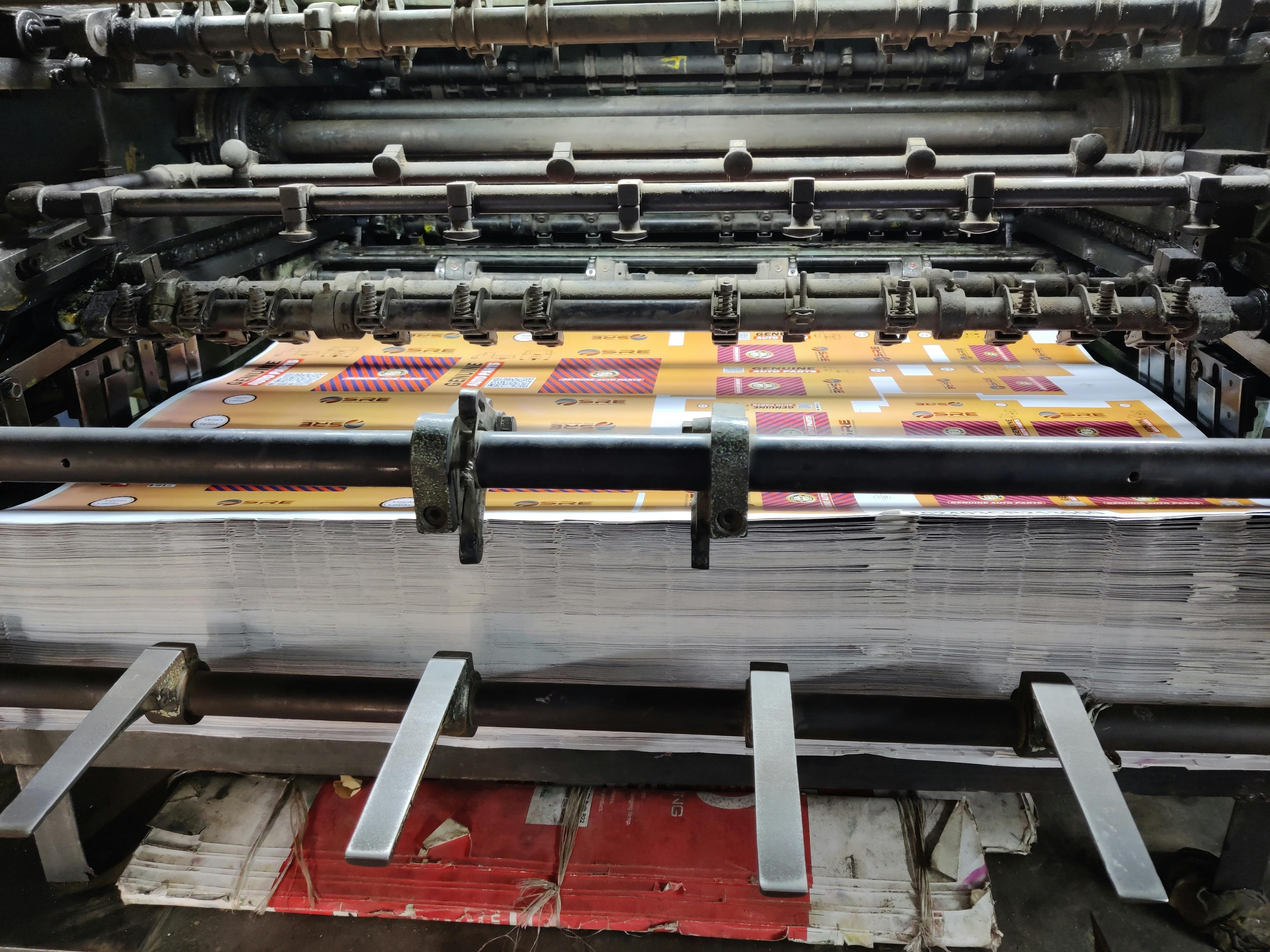
- Personalization & Variable Data: Digital print engines integrated into hybrid lines enable serialized codes, QR triggers for campaign tracking, and regionally tailored messaging—all at production speed.
- Sustainability: Hybrid print typically generates less waste from plates and setup, and aligns run lengths with real demand, reducing overruns and storage needs.
Key Advantages for Clients Embracing Hybrid Printing
Our clients across business sizes see substantial benefits in the following areas:
1. Multi-SKU and Fast Turnarounds
- Instead of re-plating for every new design, flexo stations print static brand elements, while digital quickly switches variant images and data.
- Version changes can happen in a fraction of the time, ensuring even large brand rollouts hit shelves fast.
2. Cost-Effective Runs from 3,000 to 50,000 Units
- Hybrid is particularly efficient for short and medium-sized runs tied to promotions, startup launches, or product line expansions.
- Brands avoid high minimums and expensive initial investments required by traditional flexo.
3. Elevated Design Possibilities
- Combine tactile flexo effects (metallic, soft-touch) with intricate digital details—ideal for premium positioning on crowded shelves.
- Integrate special finishes within a single process for consistency and time savings.
4. Easier Updates & Compliance
- Quickly update artwork or legal copy digitally, useful for food, beverage, or regulated products requiring periodic refresh.
- Minimize disruption to ongoing campaigns and reduce waste from outdated stock.
5. Sustainability as a Standard
- Less plate waste, lower overruns, and more efficient energy use add up to measurable environmental gains.
- Clients focusing on eco-friendly packaging will find hybrid solutions align well with broader sustainability goals—for details, see our guide on sustainable print practices.
Where Hybrid Printing Excels – Industry Applications
While hybrid methods are utilized across various markets, here’s where we see the biggest impact:
- Food & Beverage: Print dozens of SKUs (different flavors, promotions, or regional compliance) in one run. Efficient for seasonal or holiday campaigns.
- Cosmetics & Personal Care: Leverage high-impact finishes paired with dynamic digital graphics for new launches, influencer lines, or regional collections.
- Pharmaceuticals & Healthcare: Achieve serialized packaging, compliance labeling, and secure finishes without compromising speed or quality.
- Flexible Packaging & Shrink Sleeves: Combine durable flexo inks (for shrink applications) with variable digital design elements for multi-format pouches, sachets, and wraps.
How to Decide If Hybrid Printing Is Right for Your Custom Packaging
Hybrid isn’t a universal solution, but it’s strategically valuable when:
- You need 3,000 to 50,000 units per variant, or a broad program split over many SKUs.
- Multiple languages, flavors, or promotions are required, and you want to avoid major setup downtime or cost.
- Artwork or legal/marketing updates occur more than once a year.
- Personalization, variable data, or enhanced decorative effects are high priorities.
In those cases, hybrid can outperform pure digital or flexo in terms of both speed and cost.
Best Practices: Designing for Hybrid Printing Success
To unlock the full value of hybrid printing, design teams and brand managers should collaborate closely with their print partner from the start. Here’s how you can maximize efficiency and impact:
1. Clearly Separate Stable and Variable Design Elements
- Use flexo for backgrounds, strong whites, and elements unlikely to change for at least a year.
- Layer all versioned or dynamic content—such as flavor names, images, or legal text—into digital print components.
2. Build Files with Registration and Tolerances in Mind
- Allow for slight overlap (trapping) between analog and digital layers to avoid gaps if minor misalignments occur.
- Avoid extremely thin strokes where flexo and digital meet.
3. Optimize for Both Substrate and Ink Compatibility
- Verify that chosen paperboard, films, or label stock suit both print technologies. Not all flexible films, for instance, accept all digital inks.
- Reference approved color libraries and Pantone values for consistency.
4. Prepare for Variable Data from the Outset
- Organize your SKU and variable data in standardized spreadsheets with clear character limits and fallback rules.
- Ensure data structure aligns with the print workflow to avoid errors or last-minute surprises.
For more comprehensive tips on packaging design with advanced print technology, check our resource: designing print materials for your brand identity.
Industry Insights: The Hybrid Printing Outlook for 2025 and Beyond
We’re seeing rapid advances in automation, color management, and on-press quality control, making hybrid lines smarter and more accessible. As consumer brands continue to demand multi-SKU programs, limited releases, and on-demand versioning, hybrid will only gain traction. Advances in sustainability—from substrate sourcing to energy efficiency—are also aligning the print process with ESG (Environmental, Social, and Governance) goals for modern organizations.
The biggest winners are brands and organizations willing to collaborate closely with their print partners, investing in design and data integration up front to unlock the speed and flexibility that hybrid print can deliver.
How We Support Your Hybrid Print Journey
Our expertise at Dumont Printing spans digital, offset, wide format, packaging, mailing, kitting, fulfillment, and design. We know that incorporating hybrid printing into your custom packaging strategy isn’t about following a trend, but about achieving true brand impact and supply chain efficiency. From artwork optimization and substrate guidance to seamlessly executed kitting and global fulfillment, we’re an experienced partner as you start to explore or optimize hybrid workflows.
- We consult on when hybrid, digital, or pure analog makes the most sense for your application.
- Support you with precise file prep, color management, and technical advice.
- Connect your packaging with broader marketing efforts—for example, by linking personalized packages, direct mail, and in-store signage in one coordinated campaign.
If you’re planning a packaging refresh, launching a new product line, or navigating complex SKU and compliance landscapes, let’s have a conversation about how hybrid print can help you meet your goals efficiently and creatively. For more insight into industry trends, packaging innovation, and automation in print, visit our latest posts on smart custom packaging and automation’s impact on packaging.
Explore the advantages of hybrid printing for your next project by connecting with us at Dumont Printing. We’re ready to guide you through this next era of efficient, sustainable, and creative packaging.