

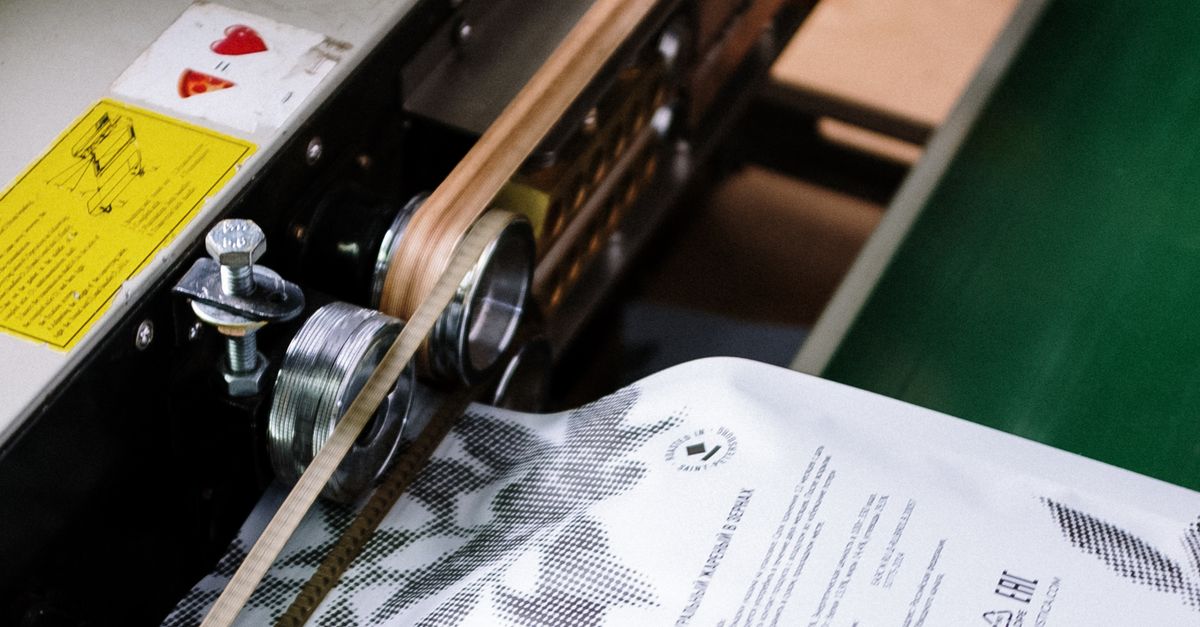
Retail packaging is experiencing a transformation as automation and eco-friendly practices converge to address retailers’ twin goals: operational efficiency and sustainability. Integrating automated systems with environmentally conscious materials streamlines custom packaging, helping businesses reduce waste, optimize resources, and satisfy an increasingly eco-aware customer base. At Dumont Printing, we guide clients of all sizes through this evolving landscape, drawing from decades of expertise in print, packaging, fulfillment, and design.
Definition: What Does Integrating Automation and Eco-Friendly Practices Mean?
Integrating automation and eco-friendly practices in custom packaging refers to leveraging technology to optimize packaging workflows—such as packing, sizing, labeling, and fulfillment—while prioritizing materials, designs, and processes that minimize environmental impact. This approach balances sped-up assembly lines, automated void fill, or on-demand printing with use of recycled, recyclable, compostable, or biodegradable packaging components.
Why Are Retailers Adopting This Approach?
Modern retailers face increasing pressure from both operational challenges—like rising labor costs, complex order profiles, and rapid delivery demands—and consumer expectations around sustainability. By merging automation and eco-conscious strategies, many businesses find they can:
- Reduce excess packaging and material waste
- Lower shipping costs through right-sizing (minimizing box volume and void fill)
- Meet or exceed regulatory and consumer demands for sustainable packaging
- Scale packaging operations flexibly as business grows
At Dumont Printing, we’ve seen firsthand how bringing together these two disciplines enables retailers to both cut costs and demonstrate serious environmental responsibility, building brand loyalty and future-proofing supply chains.

How Automation Enhances Sustainable Packaging
- Right-Sizing and Customization: Automated systems can measure, cut, and assemble packaging that fits each individual order. This eliminates oversized boxes and excess void fill (like foam or plastic), which often end up in landfills.
- Material Efficiency: Automation makes it possible to use recycled or compostable materials efficiently and consistently, with less human error or waste.
- Energy and Labor Optimization: Machines can operate during off-peak energy hours or run only when needed, further lowering the footprint compared to continuous manual packing operations.
- Integration with Fulfillment: Automated printing and labeling reduce delivery times and extra handling, which can mean fewer returns (and less material used or discarded).
Our team at Dumont Printing often recommends a stepwise adoption so retailers can tailor solutions to their size and shipping profile, building up from basic automated packing stations to full workflow automation as their needs grow.
Types of Eco-Friendly Custom Packaging Materials and Their Applications
| Material | Main Benefits | Applications |
|---|---|---|
| Recycled Cardboard | Lower carbon impact; curbside recyclable | E-commerce boxes; direct mailers |
| Compostable Poly Mailers | Zero-waste breakdown; supports circular economy | Apparel, promotional items |
| Kraft Paper Void Fill | Renewable, easily recycled; replaces foam and plastic air pillows | Protecting fragile goods in transit |
| Biodegradable Fillers | Breaks down without microplastics | Fragile and specialty retail packages |
Step-by-Step: Integrating Automation and Eco Practices in Your Packaging Workflow
- Assess Your Baseline: Begin with a 30-day packaging waste and process audit. Record the types of materials used, percentage of shipments with void fill, and shipping sizes (versus product size).
- Material Selection: Choose recyclable or compostable materials that match your needs. Dumont Printing can help source affordable, quality substrates suitable for various printing, shipping, and design requirements.
- Right-Size Automation: Consider entry-level automation solutions that measure and build boxes to order, reducing shipping volume and maximizing truck capacity.
- Automated Labeling and Printing: Integrate on-demand printers for variable data (addresses, promo codes, etc.), streamlining fulfillment and lowering pre-printed inventory waste. See more on AI-driven automation in packaging.
- Internal Team Communication: Involve both warehouse and marketing teams so efforts toward sustainability are aligned from design through delivery.
- Supplier Collaboration: Work closely with expert partners (like Dumont Printing) who can guide materials sourcing, process design, and compliance best practices.
- Continuous Review: Establish quarterly KPIs, such as reduction in packaging material use, increase in recyclable content, or improved shipment density. Adjust processes for ongoing gains.
Industry Trends and the Future of Custom Packaging Automation
Based on our ongoing work with retailers and supply chain strategists, several trends are defining the next chapter of custom packaging:
- Wider adoption of AI and Data-Driven Automation: Systems that anticipate demand and optimize right-sizing packaging in real time are improving efficiency for high-volume retailers.
- Growth in Biodegradable and Compostable Options: Brands are adopting mushroom-based fillers and plant-derived films to address landfill and recycling concerns.
- Printing and Branding Innovations: Digital and variable print technologies allow for short runs and rapid iteration, meaning custom, branded unboxing experiences become available even to small businesses.
- Sustainability as Differentiation: Eco-friendly packaging is now a critical differentiator, with many consumers favoring brands that prioritize responsible materials and messaging.
Read more on building sustainable brand reputation.
Case Example: Packaging Transformation with Dumont Printing
In practice, the shift to automated, eco-friendly packaging can yield measurable results. One mid-sized restaurant chain partnered with Dumont Printing to manage their e-commerce expansion. By transitioning to right-sized, recycled-content boxes and leveraging automated fulfillment, they saw:
- Material waste reduction of 28%
- Lower shipping volume, allowing 20% more orders per truck
- Faster turnaround on 10,000+ unit runs (less than two weeks from design to delivery)
- Positive customer feedback on easy-to-recycle, premium-feel packaging
This success was achieved through thorough packaging audits, collaboration across departments, and our expertise in design, offset and digital printing, kitting, and worldwide fulfillment.
Best Practices for Retailers Integrating Automation and Sustainability
- Start with scalable solutions: Pilot automation on your highest-volume SKU or order profile, then expand as ROI is proven.
- Favor standard, easily recyclable materials: Keep packaging simple, with minimal mixed-material components.
- Leverage digital/variable print: Combine automated workflows with on-demand printing to cut waste and enable personalized experiences.
- Monitor the full lifecycle: Partner with a provider who can assist from design through delivery and measure total environmental impact, not just packaging content.
- Share your journey: Educate customers about your sustainable practices. Label packaging accordingly and engage consumers in post-use recycling or reuse.
Our clients benefit from holistic advice and a hands-on approach—we don’t just supply materials, we analyze processes and recommend end-to-end optimizations.
FAQ: Integrating Automation & Eco-Friendly Custom Packaging
- What’s the simplest first step toward automating sustainable packaging?
- Begin with a packaging audit to identify waste and inefficiency. Then explore right-sizing box systems or automated void fill dispensers, which can deliver rapid ROI without major process shifts.
- Can automation and eco materials be used for every type of product?
- Most products can benefit, but the ideal approach depends on fragility, size variation, and shipping method. Dumont Printing can recommend tailored solutions, whether for apparel, fragile electronics, or food service.
- How do I quantify the benefits of these changes?
- Monitor packaging material use, cost per shipment, and volume per truckload. Many businesses find costs and waste drop while customer satisfaction rises.
- Are smaller brands able to implement automation affordably?
- Yes, scalable solutions exist for all business sizes, from low-volume automated cutters to advanced integrated fulfillment platforms.
- Is branding compromised when moving to sustainable packaging?
- No. Digital and offset print technology allows vibrant, custom branding on recycled and compostable materials. Creative design remains a core strength of our process at Dumont Printing.
Conclusion: A New Era for Retailers—With Dumont Printing at the Forefront
Retailers today sit at the intersection of rising sustainability expectations and the need for highly efficient, cost-effective operations. Integrating automation with eco-friendly packaging materials is no longer a premium option—it’s an industry best practice. By choosing proven partners and phasing improvements, businesses can capture both operational ROI and a stronger brand reputation.
We at Dumont Printing are committed to helping you navigate these opportunities with holistic print, packaging, and fulfillment expertise. From workflow audits to creative design and nation-wide shipping, we are your trusted guide as you build the packaging solutions of tomorrow. For personalized insights on automating and greening your packaging, connect with us today.