

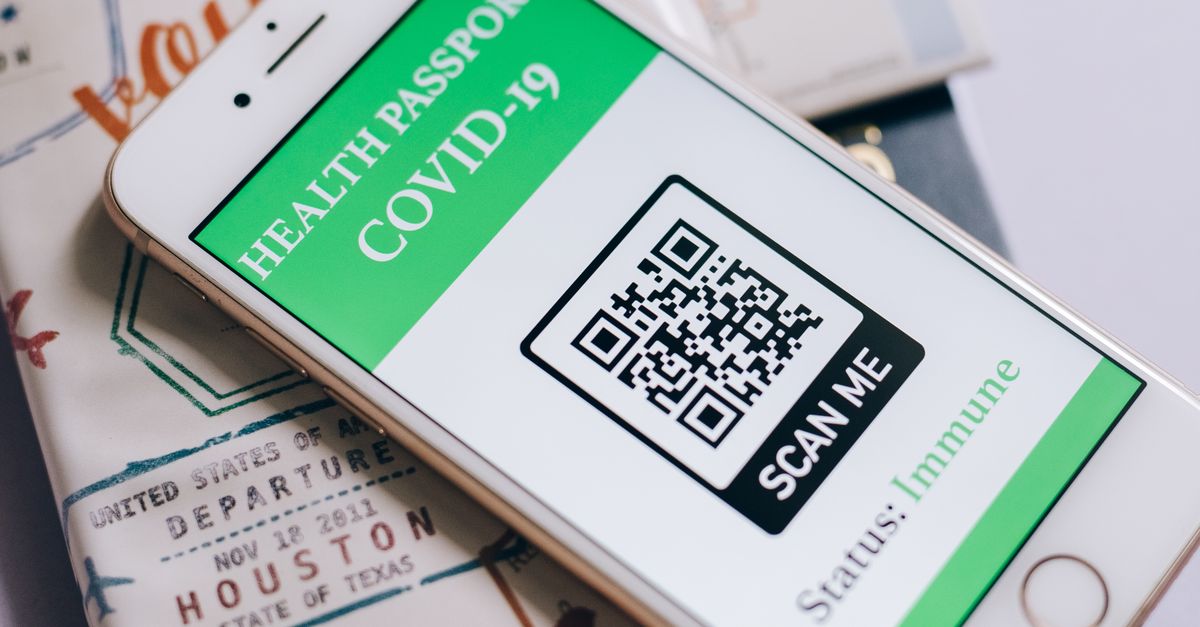
Print and digital engagement are no longer separate tracks in modern marketing—they are part of a single, fluid customer journey. The emergence of QR codes and variable data printing (VDP) has fundamentally changed how brands use print to drive meaningful, measurable engagement. These tools allow companies to bridge tangible materials with digital experiences, not only boosting customer interaction but providing the kind of analytical insights marketers once thought exclusive to digital channels.
At Dumont Printing, we’ve seen firsthand how integrating QR codes and VDP across direct mail, packaging, signage, and events empowers organizations to offer targeted, real-time, and trackable experiences. In this in-depth guide, we explore what’s driving this shift, practical frameworks for implementation, and the best ways to achieve results while staying ahead of evolving customer expectations.
Definitions: QR Codes & Variable Data Printing
- QR Codes: Quick Response (QR) codes are scannable barcodes that instantly link print to digital content, from landing pages to videos or forms. Today, nearly every smartphone can read QR codes using its native camera app, eliminating friction for consumers.
- Variable Data Printing (VDP): VDP is a digital printing technology that customizes individual pieces within a single print run. Text, images, offers, and even QR URLs can be personalized based on data such as customer names, locations, or purchase history.

Industry Trends: Why QR Codes and VDP are Essential in Modern Print Marketing
In 2026, QR code adoption is at an all-time high and growing. Research shows over 90 percent of marketers use QR codes in their campaigns, and nearly all report increased usage year-over-year. This swift growth is driven by:
- Widespread smartphone scanning—With iOS and Android supporting QR codes natively, scanning is easy and intuitive for all ages.
- Post-pandemic shifts—Customers became comfortable with QR-driven experiences during the pandemic and now expect them as part of daily interactions.
- Reliable measurement—As third-party cookies decline, QR codes offer a robust, first-party data channel, turning print into a quantifiable asset.
Meanwhile, VDP has become more accessible and affordable, enabling even small businesses to personalize at scale. The ability to speak directly to each customer is now the norm, not a luxury, whether you’re a national retailer or a local foundation.
Dynamic QR Codes: The Shift to Adaptive Print
Static QR codes—printed once, forever pointing to the same link—have been surpassed by dynamic QR codes. Dynamic codes can update their destination on demand, allowing marketers to adjust offers, correct mistakes, and run real-time campaigns without another print run.
- With dynamic codes, a single batch of mailers can evolve over months, supporting A/B tests, localizing for different regions, and adapting to seasonal campaigns.
- Dumont Printing helps clients future-proof investments by integrating dynamic codes into printed pieces for lasting engagement.
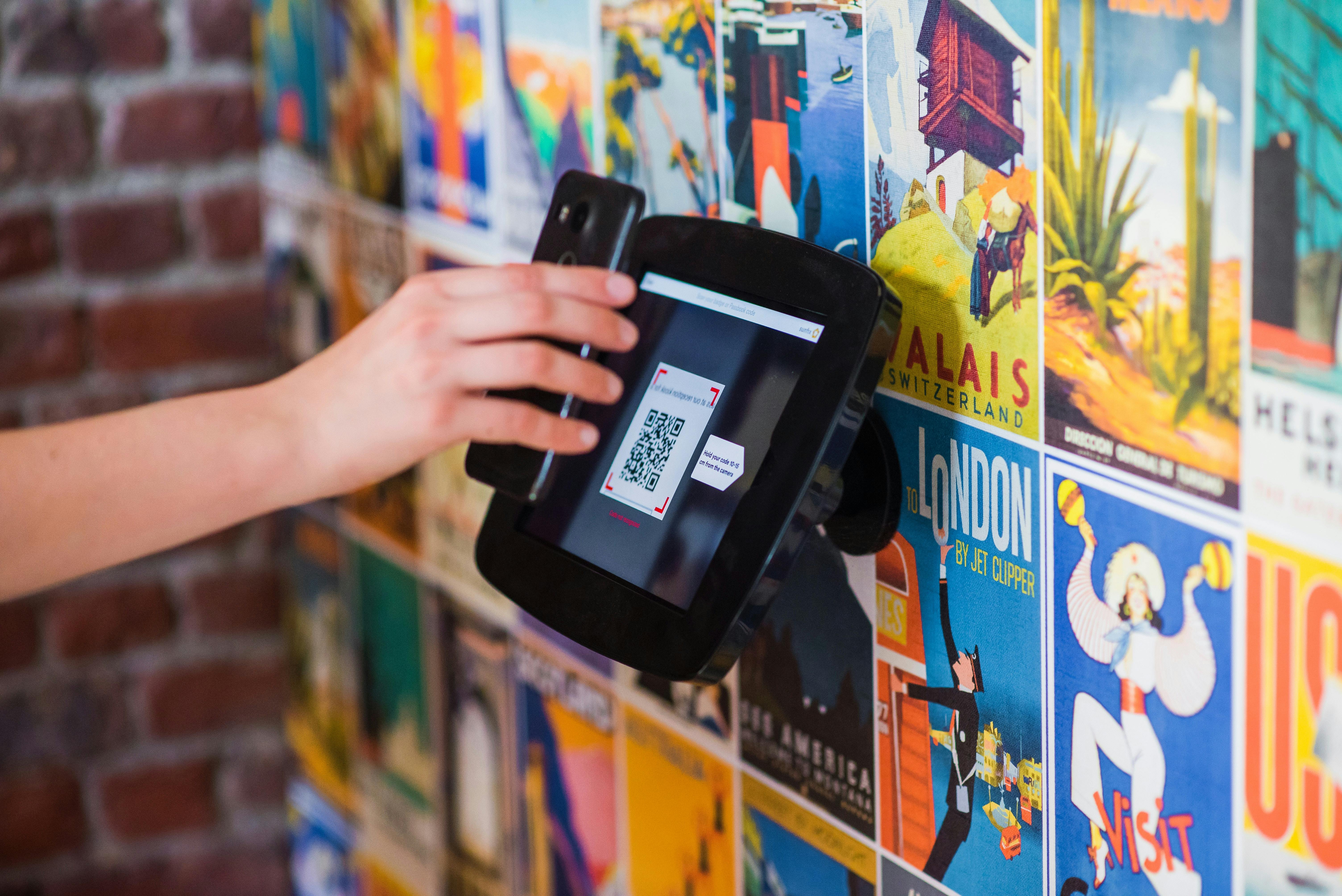
Making Print Measurable: Analytics and Attribution
For years, the challenge with print was measurement. With QR codes, marketers can reliably track:
- Number of scans, by date and time
- Geographic location of scans (city, region)
- Device type (Android, iOS)
- Post-scan conversions (signups, purchases) when linked to analytics platforms
This data empowers businesses to compare channels (for example, direct mail vs. in-store displays) and optimize campaigns in real time.
Variable Data Printing: Personalization at Scale
VDP transforms one-size-fits-all campaigns into tailored experiences. Marketers now routinely adjust offers, images, and messaging on each individual piece. For example, imagine direct mail postcards that greet recipients by name, reference a nearby store location, or offer custom discounts—each with its own unique QR code linked to a personalized landing page.
Dumont Printing specializes in VDP-driven campaigns for retail, healthcare, financial services, and nonprofits. By combining digital and offset printing expertise with robust data handling, we deliver fully integrated print and digital journeys.
Where Do QR Codes and VDP Deliver the Most Impact?
Not every print channel is equally effective for QR engagement. Our experience and market research highlight these high-performing applications:
- Direct mail: Personalized postcards and letters, handled at home, drive high scan rates.
- Brochures and flyers: Especially effective at events, tradeshows, and in high-intent retail environments.
- Product packaging: Customers scan at home for loyalty programs, usage guides, and more.
- In-store signage: Real-time promotions can be updated digitally as needed.
- Event materials: Badges, programs, banners, and table tents, all point attendees to relevant schedules, contact forms, or lead capture tools.
For a deeper dive into integrating QR codes into packaging, see our guide on QR codes in packaging.
Best Practices: Designing Effective QR & VDP Campaigns
QR Code Design
- Use branded colors and logos to increase trust and authenticity.
- Maintain strong contrast and adequate size. For handouts, codes should be at least 0.8-1 inch wide; larger for posters.
- Leave quiet space around each code for easy scanning.
- Test real print samples with multiple device types and lighting conditions before production.
Messaging and Calls to Action
- Be specific: “Scan to enter for a prize” or “Scan for 15% off” outperforms generic prompts.
- Set clear expectations—customers anticipate relevance, not just a homepage.
- Create urgency: Explicit timeframes can increase response rates.
Explore our step-by-step QR code integration guide here.

Step-by-Step Guide: Building a QR & VDP Campaign with Dumont Printing
- Establish measurable goals—Decide on numeric targets (for example, new signups, landing page visits, or event leads) driven by QR engagement.
- Segment your audience and data sources—Leverage CRM data, purchase history, or region to personalize messaging and QR URLs.
- Select print channels and formats—Direct mail for retention, brochures for events, packaging for ongoing loyalty. We advise on optimal formats for every application.
- Design the print and digital journey—Coordinate visuals, QR callouts, headlines, and landing pages for a seamless user experience.
- Implement dynamic tracking—Use dynamic QR codes for flexible campaigns, A/B testing, and recovery from mistakes.
- Analyze, learn, and optimize—Assess scan data, make mid-campaign adjustments, and update strategies for future print runs using insights from real-world behavior.
This stepwise process ensures that print no longer represents an isolated cost, but an adaptive, data-driven touchpoint feeding valuable analytics into the broader marketing mix.
FAQ: Merging Print with Digital Using QR Codes & Variable Data
How do QR codes make print measurable?
QR codes provide detailed analytics, such as scan counts, location, device type, and conversion metrics. Marketers can attribute leads and revenue to specific print campaigns for the first time with this level of precision.
What’s the difference between static and dynamic QR codes?
Static QR codes cannot be updated once printed, while dynamic codes let you change destinations without reprinting. Dynamic codes support ongoing optimizations and rapid correction of errors.
How does variable data printing improve campaign performance?
VDP allows for one-to-one personalization. In practice, personalized messages and offers increase response rates and foster loyalty, as communications feel relevant to each recipient.
What types of businesses benefit from these technologies?
Almost any industry—retail, non-profit, financial services, healthcare, hospitality—can benefit. Print with QR and VDP is effective wherever a direct, physical touchpoint can drive a digital outcome.
What pitfalls should marketers avoid?
Key risks include poor QR placement or sizing, unbranded codes that erode trust, unclear calls to action, and failing to optimize the landing page for mobile devices. Testing and collaboration with an experienced commercial printer like Dumont Printing avoids these mistakes.
Conclusion: Print as a Living, Digital Channel
The line between print and digital is disappearing. QR codes and variable data printing ensure that every printed piece—from a humble postcard to custom packaging—serves as a launchpad for digital journeys, measurable outcomes, and enduring engagement. As leaders in print innovation, Dumont Printing is committed to helping organizations leverage these tools not just as trends, but as core strategies for their present and future growth.
Interested in harnessing the full power of connected print? Explore more about our capabilities in integrating print and digital channels or reach out directly at Dumont Printing to start designing your next high-impact campaign.