


QR codes have quickly emerged as a practical and highly effective way for brands to bridge the divide between printed packaging and digital interaction. At Dumont Printing, we focus on integrating QR codes seamlessly into custom packaging, enabling clients from a wide range of industries—restaurants, hospitals, casinos, and more—to unlock new levels of customer engagement and traceability. This article takes an in-depth, professional look at how QR codes are transforming packaging, the measurable benefits they deliver, best practices for implementation, and what the future holds for this technology in the print and packaging sector.
What Are QR Codes in Packaging?
QR codes (Quick Response codes) are two-dimensional barcodes that store data accessible via a smartphone or device camera. When applied to packaging, these codes let customers connect instantly to digital experiences—such as product videos, ingredient lists, reorder forms, recycling instructions, contests, or loyalty rewards—without any need for extra printing space or clunky URLs. For printers and brand owners, QR codes add a dynamic, interactive layer to otherwise static packaging, empowering communication, transparency, and engagement far beyond the shelf.
Why QR Codes Are Essential for Modern Packaging Strategies
Modern consumers expect brands to deliver more than just a product—they want information, interactivity, and trust. QR codes allow businesses to meet these expectations by:
- Directly connecting physical products to rich digital content
- Enabling instant ordering, personalized offers, or customer service channels
- Enhancing brand transparency about sourcing, ingredients, or corporate values
- Supporting regulatory compliance, such as digital product passports and on-pack disclosures
- Collecting real-time insights on user engagement
For organizations seeking to differentiate in a saturated marketplace, the inclusion of QR codes in packaging is rapidly becoming an industry standard and a smart investment.
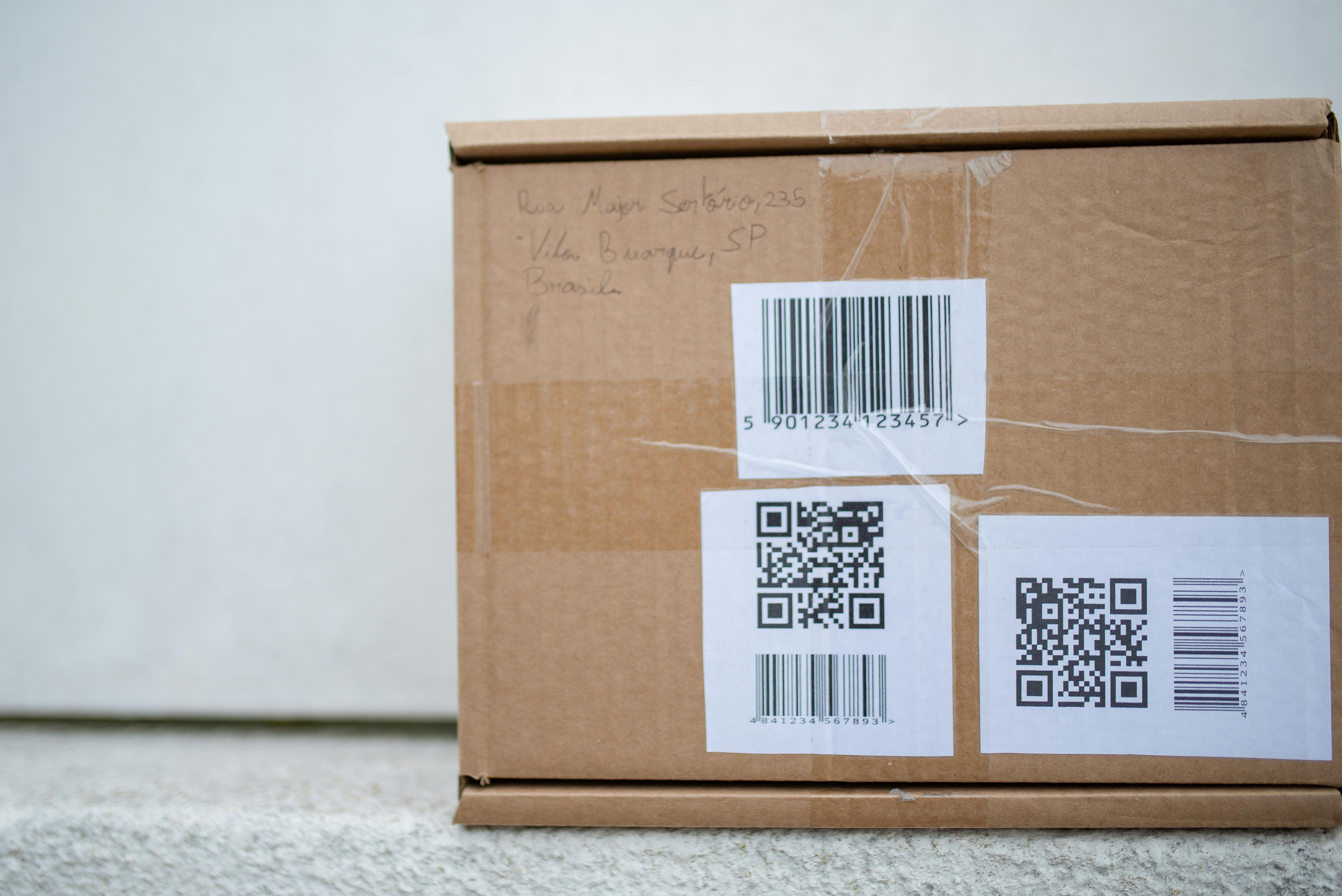
Key Business Benefits of QR Code Packaging
1. Enhanced Customer Engagement
Scanning a well-placed QR code on packaging instantly unlocks interactive experiences—video tutorials, social media, surveys, or product registration. This strengthens post-purchase connections and can turn a simple transaction into an ongoing relationship. For example, many small businesses use QR codes to gather customer feedback or direct them to exclusive digital content that increases brand loyalty.
2. Effortless Reordering and Revenue Growth
QR codes make the path from product to purchase seamless. With a scan, customers can reorder quickly, learn about upsell offers, or access special deals. As seen in industry examples, one retailer’s campaign leveraging QR codes led to a 47% in-store sales boost through immediate access to digital promotions.
3. Data Collection and Actionable Insights
Each scan is an opportunity to learn more about your consumer base—where, when, and how they interact with your products. This real-time data helps businesses optimize marketing strategies, segment their audience, or spot underperforming locations, allowing nimble adaptation.
4. Supply Chain Traceability and Compliance
Serialized QR codes can track products from origin to sale, supporting recalls, import/export documentation, and regulatory compliance. For organizations in regulated fields—like healthcare, hospitality, and food services—these features are critical for operational transparency.
5. Sustainability
By linking to digital manuals or recycling guides, brands can reduce packaging waste, minimize paper use, and align with rising environmental standards. QR code-enabled digital content also facilitates compliance with evolving regulations such as Extended Producer Responsibility (EPR) laws.
6. Building Consumer Trust
Consumers today appreciate full visibility into the products they buy. QR codes can transparently share sourcing, allergens, or ethical certifications. Many businesses find that such transparency contributes to stronger consumer trust and, ultimately, higher willingness to pay.
Industry Trends & The Evolving Role of QR Codes
There’s a clear movement toward connected packaging—driven by new regulations, shifting consumer expectations, and the need for agile, data-driven marketing. Recent developments have expanded QR code applications beyond basic links, enabling serialized tracking, digital product passes, and even augmented reality features. Sustainable practices are also at the forefront, with QR codes used to communicate recycling instructions, certifications, and environmental impact data without crowding limited packaging space.
How Businesses Are Realizing Measurable Results
Real-world case studies highlight just how significant the impact of QR code adoption can be. For instance, brands that use QR-enabled packaging to share video content, promote offers, or encourage product registration often see notable increases in both engagement and repeat purchase rates. In another example, a food manufacturer’s adoption of QR codes streamlined recall processes and reinforced supply chain transparency by allowing batch-level traceability—all leading to improvements in operational efficiency and brand reputation.
At Dumont Printing, we have worked with diverse clients—from event organizers needing custom promotional labels to casinos seeking secure, unique identifiers—to integrate QR codes that capture data, enhance security, and deliver measurable return on investment.
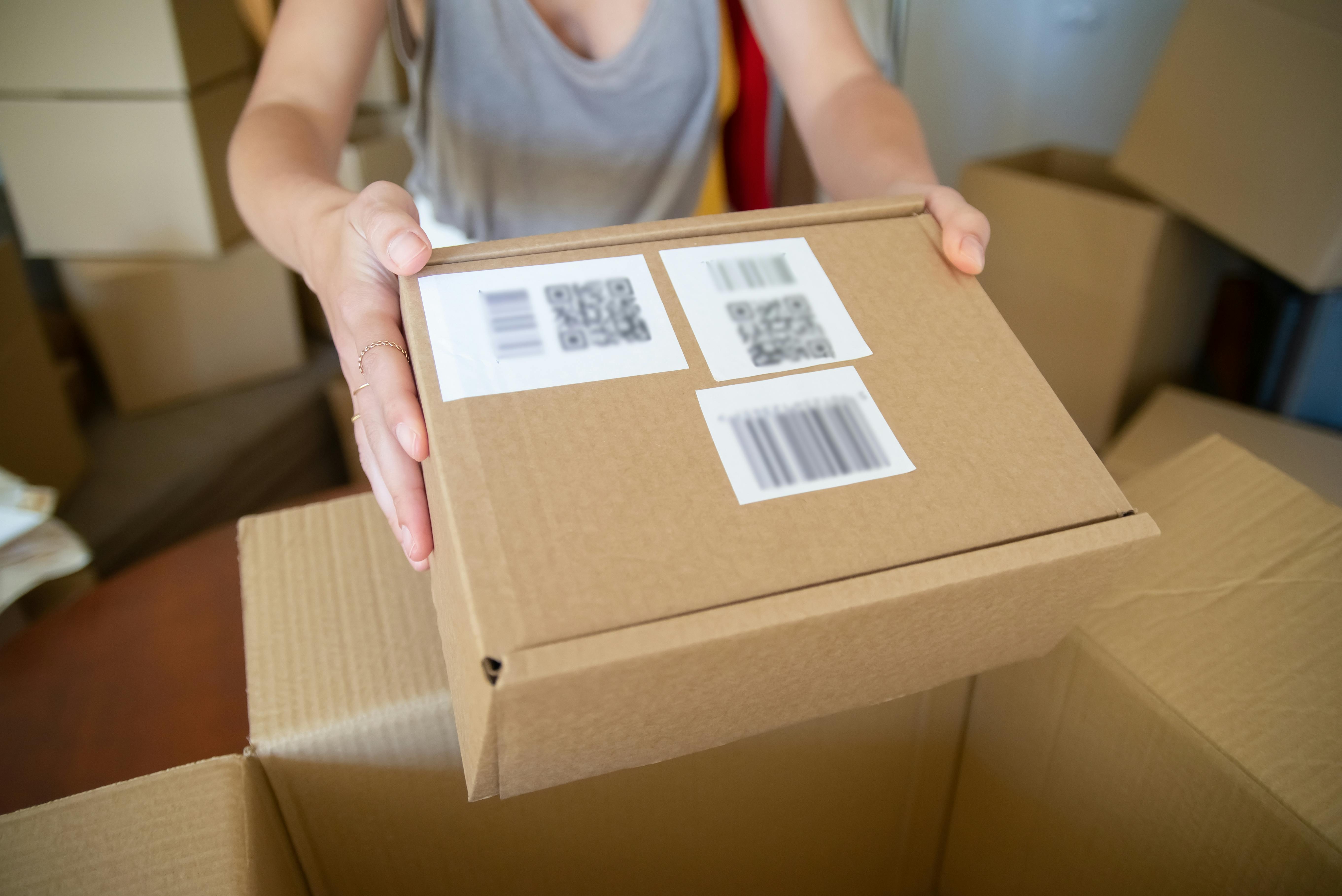
Step-by-Step Guide: Implementing QR Codes on Packaging with Dumont Printing
- Define Your Objective: Decide what experience or outcome your QR code should drive—reordering, recycling instructions, promotional engagement, traceability, etc.
- Create and Generate QR Codes: Opt for dynamic QR codes if you want the flexibility to update content or track scans over time. Serialization can support batch-level tracking.
- Design and Placement: Work with Dumont Printing to ensure your QR codes are visually appealing and strategically placed for maximum visibility and scan rate without interrupting your core branding.
- Content Optimization: Link codes to high-value, mobile-optimized landing pages, videos, forms, or support portals—a good QR code campaign provides immediate value to the end user.
- Print with Precision: High-contrast, error-tolerant QR codes help maximize scan rates. We use digital and offset printing to embed codes on boxes, labels, apparel, and wide-format displays for accuracy every time.
- Test and Validate: Check readability from different angles and under varied lighting conditions. Include short prompts like “Scan for more” to guide user interaction.
- Track & Refine: Use scan data to better understand customer preferences and update campaigns as needed. Combine QR-enabled packaging with kitting, mailing, and fulfillment services for seamless execution nationwide.
Best Practices for QR Code-Enabled Packaging
- Clarity is Key: Make QR codes large enough (minimum 0.5 inches square) and provide instructional context. For instance, a simple “Scan for product details” can increase user adoption.
- Position Matters: Place codes where customers are most likely to see and scan them—such as near product information or unboxing areas.
- Check Compatibility: Ensure codes are readable by most mobile phone cameras without specialized apps. Regular testing under real-world conditions is essential.
- Sustainable Choices: Use QR codes to link to digital resources instead of printed booklets, and consider recyclable packaging materials to further reduce your environmental impact.
- Focus on Value: Only link to genuinely useful content that provides real benefit for your customers, such as exclusive offers, expert tutorials, or quick reorder portals.
- Stay Compliant: Especially for industries with strict regulation, ensure QR-linked content meets all disclosure and privacy requirements.
Our rigorous quality control at Dumont Printing ensures QR codes not only integrate seamlessly with your designs but also work flawlessly from production through to consumer use.
Frequently Asked Questions (FAQ)
What is the primary advantage of QR codes in packaging?
QR codes enable instant access to digital content without needing additional printing space, allowing brands to provide interactive instructions, product traceability, or promotional offers directly from the package.
Are customers willing to use QR codes?
Many businesses find that customer adoption increases when codes are clearly marked and offer obvious value, such as discounts, loyalty rewards, or unique content.
How can QR codes improve sustainability?
By replacing printed inserts or long-form manuals with digital resources, QR code packaging helps reduce paper and ink use while supporting recycling initiatives.
Can QR codes be used for regulatory or compliance purposes?
Yes, many organizations rely on serialized QR codes for supply chain documentation, traceability, and compliance with regulations such as EPR and digital passport requirements.
How do you ensure QR codes are effective?
Regular testing across lighting conditions, mobile devices, and print substrates is crucial. At Dumont Printing, we rigorously check all codes for reliability and user-friendliness before they reach market.
What are the future trends for QR code packaging?
Industry forecasts point to growing adoption of QR codes for connected packaging, including applications like augmented reality, dynamic offers, and further integration with supply chain intelligence platforms.
Looking Ahead: QR Codes and the Future of Print-Digital Engagement
QR codes are fundamentally transforming how brands leverage packaging, marrying tactile print with instant, measurable digital interaction. As regulatory demands evolve and consumer expectations rise, QR-enabled packaging is poised to become even more central to smart marketing, supply chain management, and brand experience.
At Dumont Printing, we remain committed to guiding clients through every step of the QR code journey. From creative design and advanced printing to fulfillment and analytics, our experienced team ensures your packaging solutions deliver meaningful results and sustainable growth. For more in-depth insights into print innovation, connected technology, or sustainable packaging trends, explore our related posts on topics like eco-friendly packaging automation or smart packaging design for retail.
If your organization is considering unlocking the power of QR codes in packaging—or is ready to take packaging innovation to the next level—reach out for expert guidance at Dumont Printing. Together, let’s create packaging that connects, informs, and inspires.