


Custom packaging has become a vital differentiator for retailers that want to impress consumers, control costs, and stand out in an increasingly competitive landscape. At Dumont Printing, we’ve seen firsthand how automation is fundamentally reshaping what’s possible for retail packaging. Let’s take a deep dive into how this evolution is streamlining workflows, improving consistency, and enabling new levels of flexibility for brands of every size.
Understanding the Shift: Why Retail Packaging Needs Automation
Customer expectations have changed. Today, people want beautifully branded packaging, rapid delivery, and even sustainable solutions, whether they’re ordering online or picking up in-store. At the same time, fluctuating demand, complex SKU mixes, and labor shortages are making manual packaging more challenging (and expensive) to maintain at scale.
Automation is quickly becoming the backbone of modern fulfillment—and it’s not just about speeding up lines. It’s about making it possible to meet these demand curves, maintain your quality standards, and empower your team to focus on the creative or high-value aspects of your business.
What Is Custom Packaging Automation?
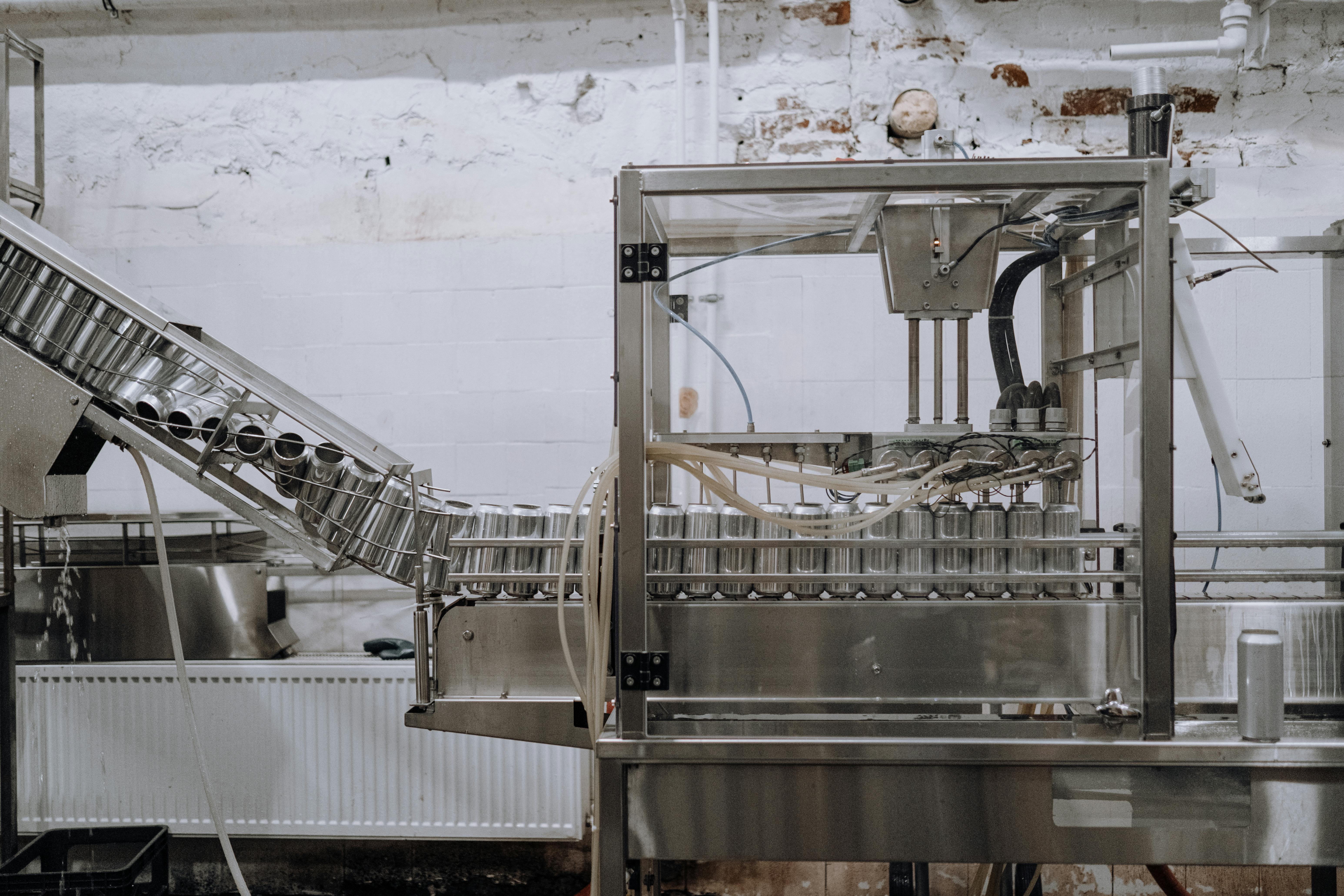
It’s useful to clarify what we mean by packaging automation. Modern automated systems can encompass various stages of the packaging process:
- Picking and collating products for shipment
- Automated box/sleeve forming and sealing
- On-demand printing of branded labels and inserts
- Automated application of shipping information and tracking
- Smart fulfillment integration, providing data feedback for optimization
Unlike the rigid, one-size-fits-all machinery of the past, today’s solutions are designed to be flexible—accommodating short runs, variable data, and custom print projects without sacrificing speed or quality. This aligns closely with Dumont Printing’s emphasis on adaptability in both print and fulfillment services.
Major Benefits: How Automation Transforms Retail Packaging Operations
1. Speed, Scale, and Consistency
The most obvious advantage is throughput. While a manual team might package a few hundred orders an hour, automated systems can handle several thousand units in the same timeframe for standard configurations. But the real differentiator is consistency—every package is sealed, labeled, and branded exactly as specified, time after time. For seasonal marketing campaigns or major product launches, this reliability is invaluable.
2. Quality Control and Error Reduction
Human error is a hidden but significant cost in packaging operations. Automated systems follow programmed instructions precisely, reducing the potential for misships, labeling mistakes, and packaging damage. This is particularly important for industries (like food, pharmaceuticals, or luxury goods) where even small errors can create big problems, both reputational and financial.
3. Labor Optimization and Workplace Safety
Packaging automation isn’t about eliminating jobs. It’s about enabling your team to focus on higher-value tasks—creativity, problem-solving, customer service—instead of repetitive manual labor. Safety is a measurable win here: according to workplace studies, a significant portion of warehouse injuries are tied to repetitive manual tasks. As automation handles more of the heavy lifting, retailers have seen direct reductions in injury rates and insurance costs.
4. Material Efficiency and Sustainability
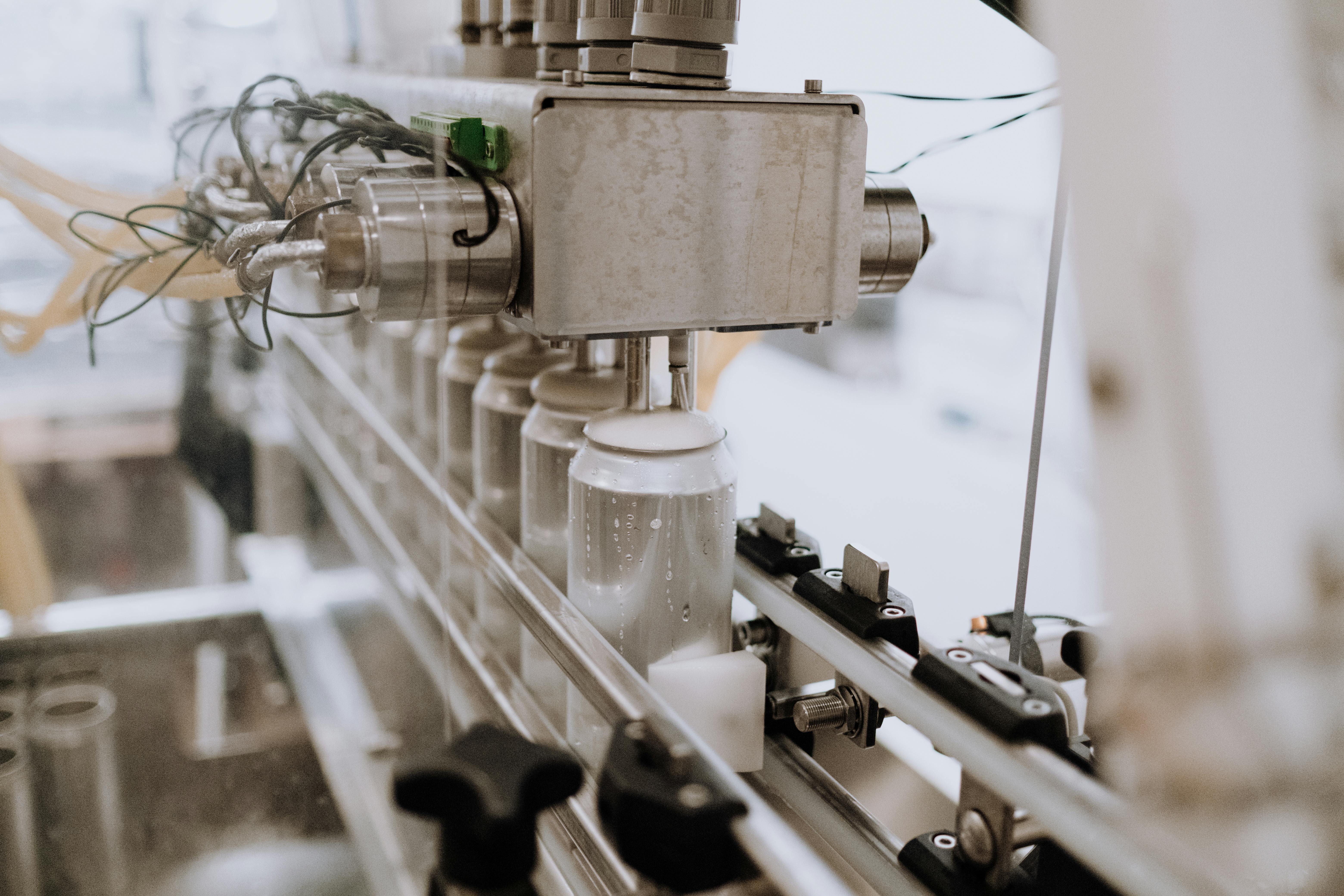
Waste isn’t just bad environmental practice—it’s a needless expense. Modern automated lines often include measurement systems and custom carton selection, ensuring every product ships in the optimal-size package, using only what’s required for protection. This not only saves money on materials but also aligns with consumer (and regulatory) preferences for reduced-waste, sustainable packaging. On this point, we’ve explored how eco-friendly practices in printing and packaging are transforming brand reputations in our blog on embracing sustainable printing.
5. Data-Driven Workflow Optimization
One underappreciated benefit is the transparency offered by automation. With smart systems collecting data at every step, you can monitor error rates, fulfillment speeds, bottlenecks, and material usage—and use this data to continuously fine-tune operations. This level of insight simply isn’t possible in a fully manual environment.
Market Trends: What Retailers Need to Know Going into 2025
- Omnichannel fulfillment is now the new normal, requiring packaging lines that adapt to diverse order types—B2B, e-commerce, bulk, and personalized shipments all in the same facility.
- Variable data printing and on-demand customization are surging, making the synergy between print and automation more critical than ever.
- Sustainability is not a trend but an expectation. Automation supports retailers in minimizing waste and adopting recycled or specialty materials efficiently.
- Labor shortages are accelerating tech adoption, particularly in high-growth and seasonal verticals.
For a comprehensive look at innovative printing and packaging trends influencing retail, see our recent industry forecast: digital embossing and innovations shaping commercial print in 2025.
Design, Brand, and the Unboxing Experience
Automation, when coupled with custom printing, doesn’t mean cookie-cutter design. Sophisticated workflows can now handle personalized packaging—variable graphics, unique QR codes, targeted inserts, and branding that matches the season, region, or even recipient. This means brands can efficiently create memorable unboxing experiences that drive repeat purchases and social shares.
Retailers can switch designs or campaigns rapidly, without major downtimes or excess costs. This is especially valuable for fast-changing industries—fashion, cosmetics, CPG—where speed to market and brand agility are major competitive advantages. To dive deeper into creative packaging, check out our thoughts on custom packaging strategies.
Overcoming Common Implementation Hurdles

Getting started with automation can raise concerns, from required space and upfront investment to integrating new workflows with legacy systems. The key is detailed assessment—understanding your current pain points and future growth plans. Start with questions like:
- Which fulfillment steps are limiting throughput or adding error risk?
- How many different SKUs and packaging variations do you manage?
- Are labor or safety challenges preventing you from scaling?
By identifying the highest-impact opportunities, it’s possible to phase in automation, whether that means semi-automated solutions for targeted pain points or a broader overhaul as part of a facility upgrade.
Trend Forecast: What’s Next for Automation and Retail Packaging?
We expect three major trends to accelerate in the coming years:
- Intelligent automation driven by AI (for dynamic packaging optimization, demand prediction, and preventive maintenance)
- Deeper integration with supply chain systems, enabling real-time packaging adaptation based on inventory or customer data
- Sustainable innovation, including automation systems tuned to recycled materials, compostable substrates, and zero-waste goals
Retailers who embrace these trends will be best positioned not just to manage cost, but to delight customers and lead in sustainable practice. To explore how automation and AI are transforming commercial printing workflows, review our insights on automation and AI in print workflows.
How to Get Started: Your Roadmap for Packaging Automation
Here’s a quick guide to starting your packaging automation journey:
- Audit your current workflow—look for repetitive tasks, bottlenecks, and error-prone steps.
- Prioritize high-impact areas: where would automation relieve pressure or improve your customer experience most?
- Consult with partners who understand both print and fulfillment automation. Their real-world insights will help you avoid common pitfalls.
- Pilot scalable solutions—start small, then expand as you measure results.
- Leverage data—use reporting from automated systems to continuously refine your process.
For a more in-depth guide on integrating print, design, and fulfillment, see our guide to print-on-demand solutions.
In Closing: Charting Your Next Move
Packaging automation is not a futuristic ideal—it’s a practical, proven path for retailers who want to delight customers, control operational costs, and compete at scale. For teams at Dumont Printing, it’s about partnership: helping clients design workflows and packaging that keep them agile, resilient, and ahead of the curve.
If your brand is ready to explore how packaging automation could transform your fulfillment and customer experience, we invite you to connect with us at Dumont Printing. Our nationwide team is passionate about all aspects of print innovation, packaging, and the next generation of retail solutions.