


AI-driven automation is fundamentally transforming the way event graphics and retail displays are produced in the wide format print sector. By integrating advanced technology into every stage of the print workflow, companies can deliver campaigns faster, reduce errors, minimize waste, and improve the quality and consistency of large-scale graphics. For organizations managing complex projects—such as multi-location retail rollouts or tight event deadlines—the combination of artificial intelligence and automated production is now central to meeting modern marketing demands.
What Is AI-Enhanced Wide Format Production?
AI-enhanced wide format production refers to the use of artificial intelligence-powered tools and automated workflows in creating large-scale graphics. These include event signage, window decals, banners, floor graphics, point-of-purchase materials, and other display solutions. AI solutions automate repetitive tasks, streamline artwork inspection, optimize media usage, and ensure project milestones are met on time. At Dumont Printing, we integrate these technologies into our wide format and grand format production processes to achieve greater efficiency and accuracy for our clients.
Key Benefits of Automation for Event Graphics and Retail Displays
- Speed: Automation eliminates manual touchpoints, allowing teams to move more quickly from artwork approval to finished graphics.
- Accuracy: AI-powered preflight checks catch file errors and inconsistencies before they reach the press.
- Material Efficiency: Intelligent nesting and layout software minimize wastage and optimize every square foot of substrate.
- Scalability: Automated workflows handle large numbers of versions or installations across multiple locations without sacrificing quality.
- Production Visibility: Automated job tracking and scheduling ensure deadlines are visible across all stages of the project, reducing the risk of delays or missed launches.
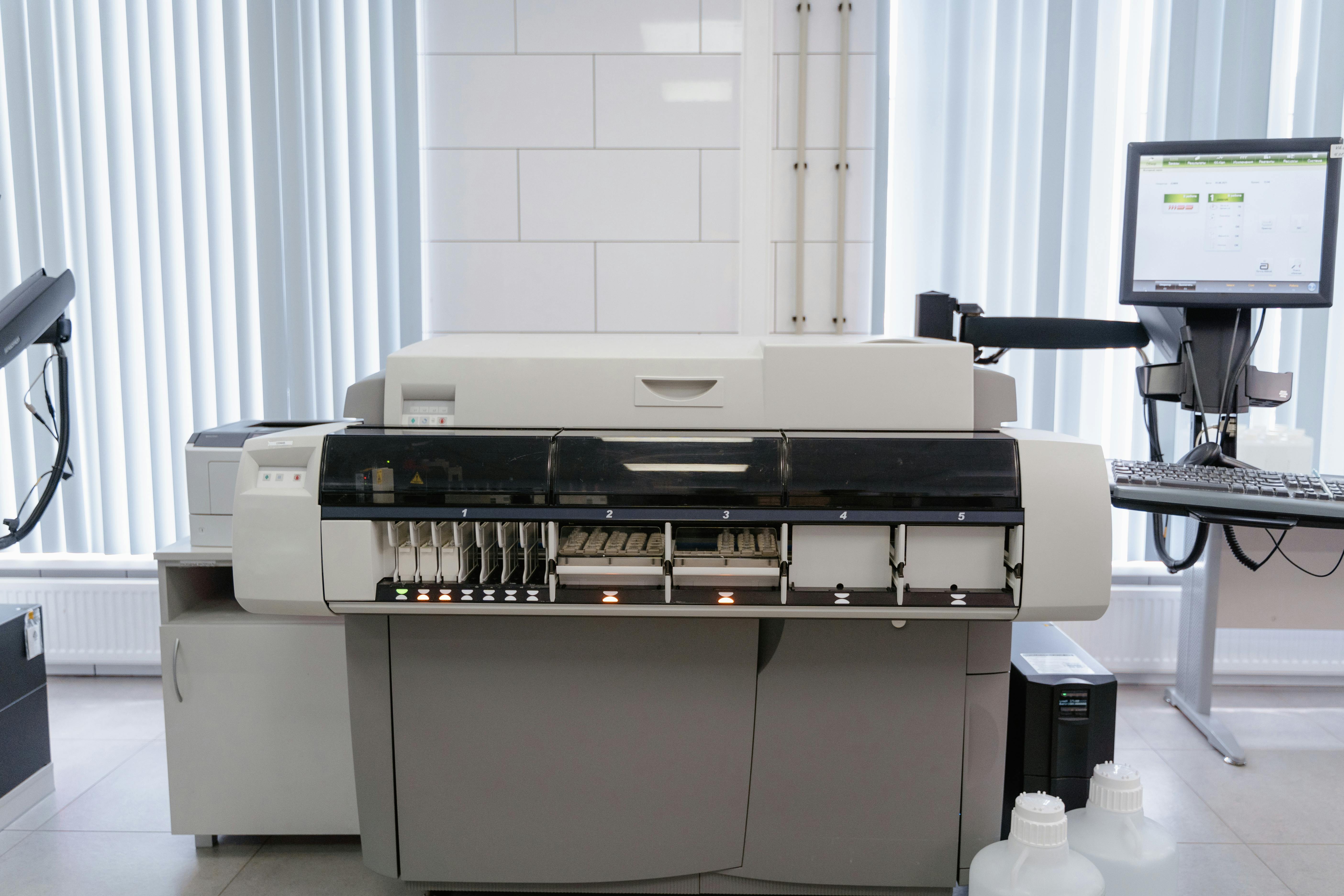
How Automation Accelerates Wide Format Production: A Step-by-Step Framework
At Dumont Printing, we implement structured automation across every phase of the project to ensure consistent results. Here’s a step-by-step outline of how AI and automation drive modern wide format workflows:
- Define campaign requirements: List every graphic item, required quantities, finished sizes, substrates, finishing needs, installation dates, and delivery points. Clarity up front prevents errors downstream.
- Standardize artwork intake: Adopt consistent file naming, leverage branded templates, and ensure detailed documentation for file setup (including bleeds, color specs, and resolution).
- Automate artwork preflight: AI tools scan files for missing bleeds, low resolution, incorrect profiles, or font errors, flagging issues instantaneously for correction before production.
- Optimize layout and nesting: Software efficiently arranges pieces on print media, reducing substrate waste and streamlining later cutting and finishing steps.
- Proof and approve with accuracy: Digital proofs and automated checks allow for detailed review of key design features, small type, color, and images, improving client satisfaction and minimizing surprises.
- Automate production and finishing: Automated schedules direct jobs to correct presses and finishing stations, ensuring equipment and labor are utilized efficiently.
- Kit, fulfill, and ship: Automated kitting and shipping processes assemble graphics, hardware, and instructions into clearly labeled packages for multi-location delivery, supported by worldwide distribution options.
Where Automation Delivers the Most Value
- Multi-version campaigns: Automation simplifies producing regional, language, or store-specific variations from controlled templates, saving extensive manual labor.
- Large exhibitions or retail rollouts: Dozens or hundreds of pieces can be tracked, proofed, and shipped on schedule using connected workflow systems.
- Complex installations: Automated documentation and detailed packing lists ensure every component arrives at the right time and place.
Our precise workflow not only supports tight deadlines, but also gives clients clear oversight of every project milestone—critical for event openings and retail launches.

Best Practices: Preparing for Automated Wide Format Success
- Start with complete specs: Collect and confirm all requirements, including dimensions, substrates, and delivery needs, before design or printing begins.
- Supply high-quality source files: Artwork created to the correct scale, with clear resolution and bleed information, minimizes setbacks during proofing.
- Leverage templates and guides: Use approved design templates and brand guidelines, especially for campaigns with multiple versions or adaptations.
- Maintain open communication: Stay in contact with your print partner, rapidly addressing questions about color, finish, or installation requirements.
- Document changes: Record all approvals, update requests, and version changes to ensure alignment throughout production.
Dumont Printing provides expert consultation at every stage, ensuring clients avoid common pitfalls. For sustainable options in wide and grand format production, we recommend reviewing our post on Eco-Friendly Wide & Grand Format Graphics: Best Practices for Sustainable Branding.
Industry Trends and Future Outlook
- Growing role of AI: Artificial intelligence will increasingly drive layout, preflight, color management, scheduling, and prediction of job outcomes.
- Increased workflow integration: Linking design, production, kitting, fulfillment, and shipping in a unified platform will continue to raise standards for speed and control.
- Sustainability focus: Automated material usage and real-time consumption tracking are helping clients and providers reduce waste and manage eco-friendly print initiatives.
- Human expertise remains vital: While many stages are automated, expert input is essential for brand consistency, strategic decision-making, and ensuring displays perform in real-world environments.
Frequently Asked Questions (FAQ)
What is AI’s main role in wide format printing?
AI improves quality control, speeds up error detection, streamlines image processing, and helps manage complex layouts for wide format jobs. It automates the critical checks and repetitive tasks that often delay projects in traditional workflows.
Does automation make human expertise less important?
No. Automation supports speed and consistency, but experienced print professionals are indispensable for design judgment, material selection, brand compliance, and ensuring proper installation in real-world scenarios.
How do I prepare my files for automated production?
Use standardized file naming, supply images at final scale and resolution, include bleed and crop marks, and leverage templates when available. Consult your print provider’s specifications for detailed requirements.
How does AI impact sustainability in wide format projects?
By optimizing material usage and minimizing waste, AI-driven workflows contribute directly to more sustainable print practices. This helps businesses control costs and demonstrate commitment to eco-friendly production. Explore more in our post on best practices for sustainable wide format branding.
What should I look for in a print partner for AI-enhanced projects?
Choose a provider with expertise in wide format automation, seamless design-to-installation workflows, and a proven record of handling campaigns across multiple locations and channels. Dumont Printing offers industry-leading solutions for marketing teams, event coordinators, and retailers.
Conclusion: Accelerating Print Success with AI and Automation
Automation and AI are redefining standards for event graphics and retail display production. By streamlining prepress, optimizing material usage, and offering scalable, trackable workflows, these technologies enable brands to execute ambitious campaigns with greater speed and confidence. However, the best results come from combining technology with the human insight and industry experience that Dumont Printing brings to every project.
To learn how our connected, AI-powered workflow can empower your next event, signage, or retail campaign—from design through kitting and nationwide shipping—visit Dumont Printing or contact our team for a personalized consultation.
(function(){if(window.blogViewTracked)return;window.blogViewTracked=true;var blogId=28443;var xhr=new XMLHttpRequest();xhr.open(‘POST’,’https://dumontprinting.frizerly.com/api/trackBlogView’,true);xhr.setRequestHeader(‘Content-Type’,’application/json’);xhr.send(JSON.stringify({blogId:blogId}));})();